Create a sleek chrome logo in Photoshop

Create a sleek chrome logo in Photoshop

Creating a polished chrome logo in Photoshop can significantly elevate a brand's visual identity, lending it a sleek and futuristic appeal. This effect is highly sought after for its ability to convey professionalism and cutting-edge design.

This video tutorial demonstrates a comprehensive process for designing a custom chrome logo from the ground up. Viewers will learn how to build a dynamic background, shape reflective elements, and apply advanced layer styles to achieve a realistic metallic finish on text and shapes.

Watch the Video

Video by Blue Lightning. Any links or downloads mentioned by the creator are available only on YouTube

Understanding Chrome Effects in Digital Design

The essence of a convincing chrome effect in digital art lies in the accurate simulation of light reflection and surface contours. Chrome, being a highly reflective material, mirrors its surroundings, which translates into distinct light and dark areas that define its shape and shine. Designers often manipulate gradients and curves to mimic these complex interactions, creating the illusion of depth and gloss.

Achieving a realistic chrome look involves more than just applying a metallic texture; it requires a nuanced understanding of how light bounces off curved surfaces. Key elements include:

  • High Contrast: Sharp transitions between bright highlights and deep shadows.
  • Reflective Gradients: Smooth, often non-linear, color transitions that simulate environmental reflections.
  • Beveling and Contouring: These effects define the three-dimensional form, making the chrome appear solid rather than flat.

When these principles are applied effectively, a flat design can transform into a striking, three-dimensional element that captures attention and conveys a sense of quality and modernity.

Practical Tips for Creating Chrome Effects

  • Use guides (Ctrl/Cmd + H) to accurately center elements and shapes, ensuring symmetry in your design.
  • Convert your text layer to a Smart Object before applying complex effects; this allows for non-destructive editing and easy text modifications later.
  • Apply Curves adjustment layers with a "hill, valley, hill" shape to simulate the reflective properties and high contrast of chrome.
  • Utilize the Bevel & Emboss layer style, specifically with a Contour, to give your text and shapes a realistic three-dimensional metallic edge.
  • Employ the Gradient Tool with a radial gradient for the background, using specific gray values to set the stage for the reflective chrome.

Explore more techniques and creative approaches to designing stunning chrome effects in Photoshop.
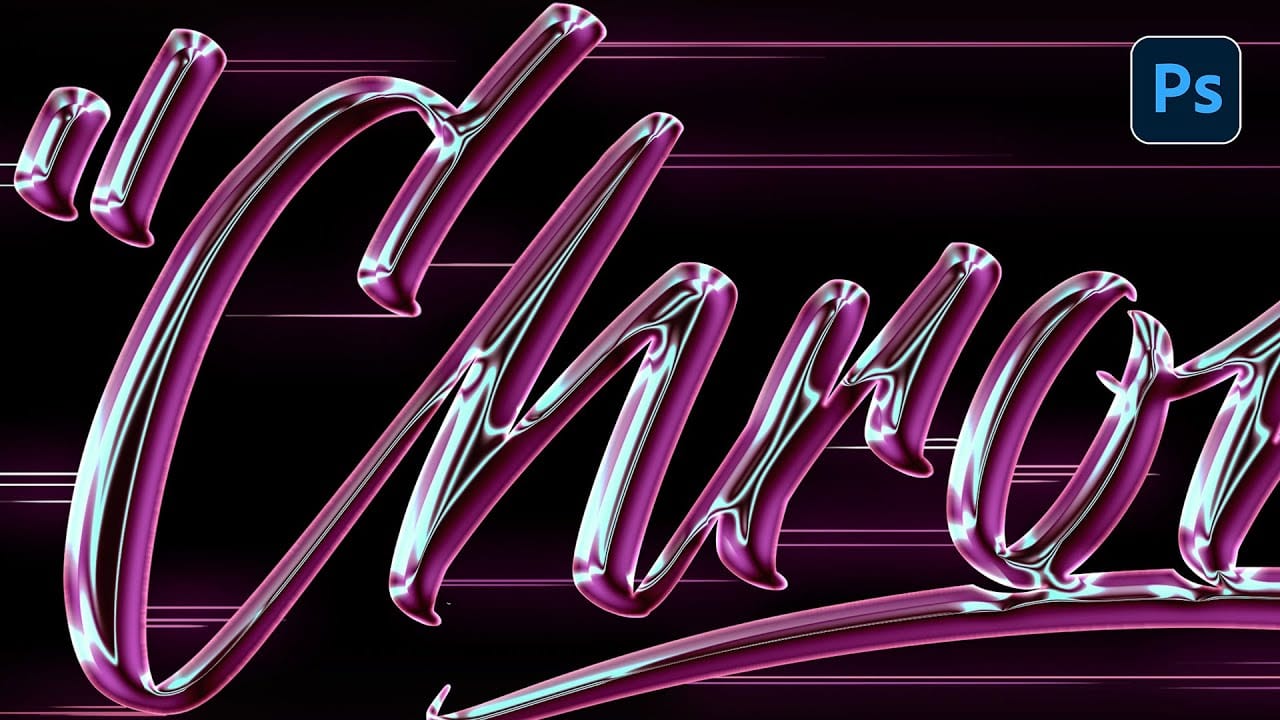
Electric chrome text effect Photoshop Tutorial
In this tutorial by Angelo Konofaos, you'll learn how to create an electric chrome text effect in Adobe Photoshop. Using blending options and adjustment layers, the tutorial guides you through the process of transforming text into a sleek chrome finish that radiates a vibrant, electric feel. Perfect for adding a futuristic touch to your designs, this tutorial teaches you some interesting techniques to achieve polished and eye-catching text effects that grabs the attention. Watch tutorial
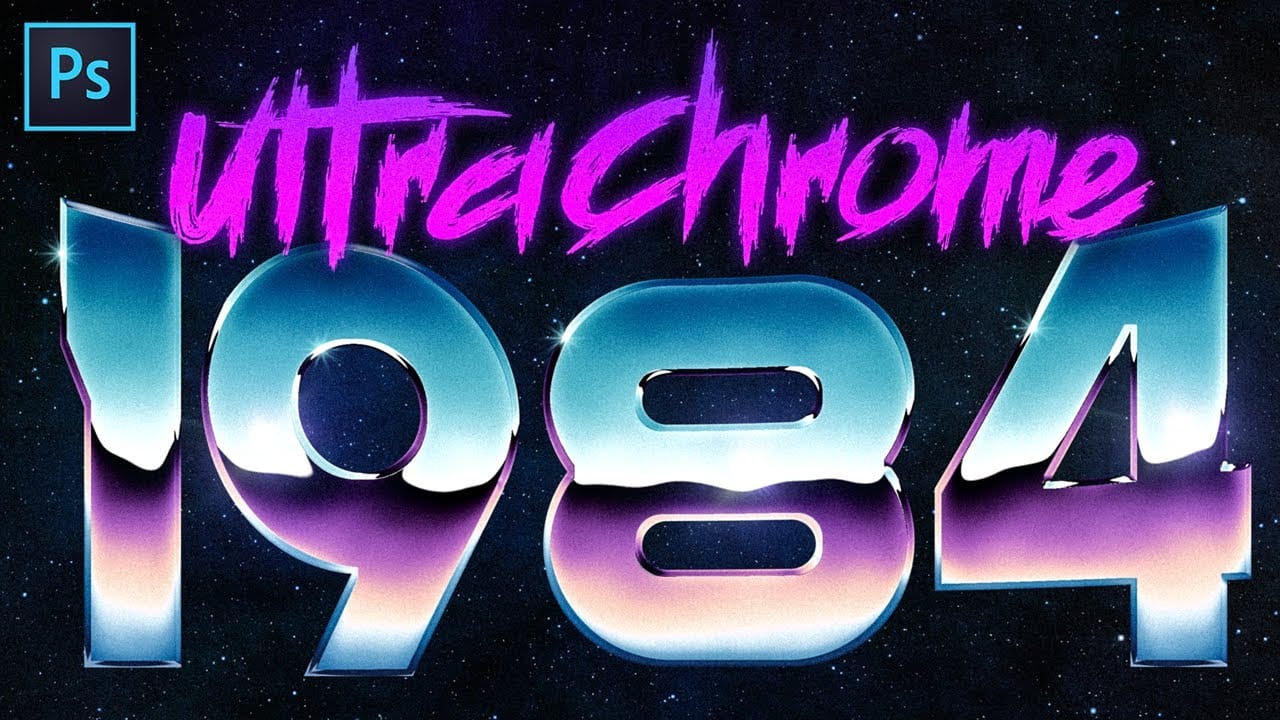
Create Super Rad 80's Chrome in Photoshop
Create hyper-stylized 1980’s chrome text and logos with versatile techniques in Adobe Photoshop. This tutorial by Texturelabs covers the basic process of setting up a chrome reflection that can be customized for various looks. You'll learn how to achieve hyper-realistic details to give your images a rad, retro vibe. The tutorial also provides downloadable gradient presets, stars texture, and more to enhance your design. Get ready to add some 80’s flair to your text and logos Watch tutorial
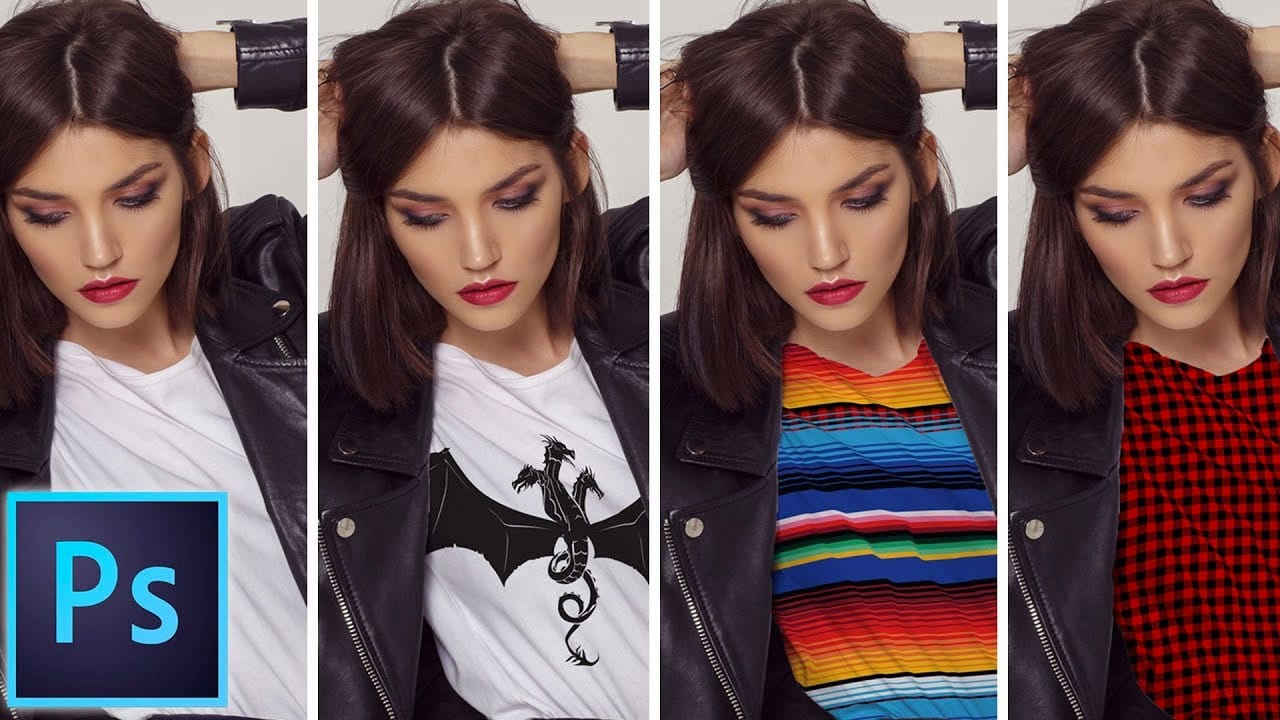
How to add a logo or pattern to a shirt in Photoshop
In his Photoshop tutorial, author Colin Smith guides viewers through the process of adding a logo, graphic, pattern, or texture onto clothing. This technique allows for quick and easy customization of apparel, enabling users to swap out designs in a matter of seconds. Smith's step-by-step instructions demonstrate how to seamlessly incorporate the desired visual element onto a shirt or other garment. By leveraging the power of Photoshop's layers and blending modes, users can achieve a profession
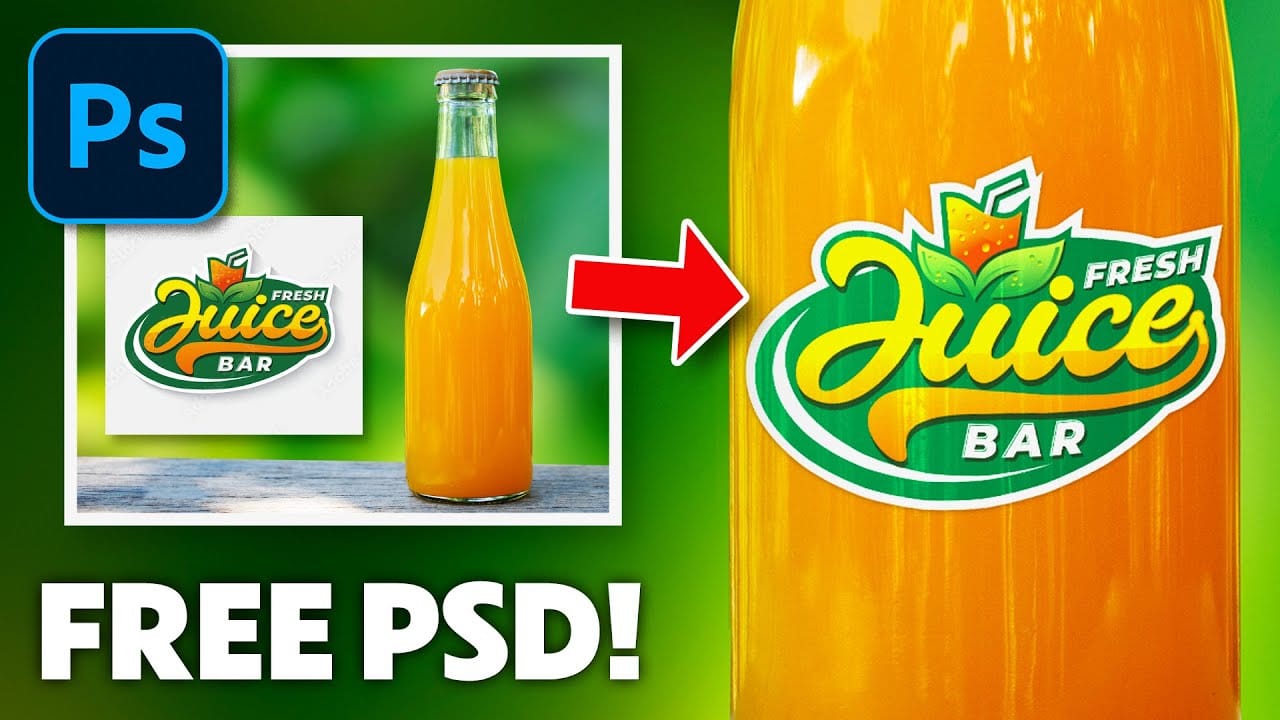
Place a logo onto a bottle in Photoshop
In this detailed tutorial, Jesus Ramirez from PTC Photoshop Training Channel walks you through the process of placing any logo onto a bottle using Photoshop. The tutorial is packed with valuable information and techniques that are essential for both beginners and advanced users. You will learn how to use Smart Objects to ensure your logo retains its quality when resized, and how to apply Clipping Masks to seamlessly integrate the logo onto the bottle's surface. Additionally, the tutorial covers

Get tutorials & freebies delivered to you.

Subscribe to the Photoshop Roadmap newsletter, a weekly roundup of new tutorials, insights and quality downloads, trusted by 6500+ readers.

You might also like

How to Use AI Masking in Adobe Camera Raw for Professional Photo Editing

Adobe Camera Raw's AI masking tools automatically detect subjects, backgrounds, skies, and landscapes, letting you make precise adjustments to specific areas of your photos. These intelligent masks eliminate the need for manual selection work, while allowing you to combine and refine them for complete creative control. The technique...

How to Remove Objects from Photos Using AI Tools in Photoshop

Photoshop's AI-powered object removal tools can eliminate unwanted distractions from your photos with minimal effort. The Remove Tool and Generative Fill feature automated detection for common distractions like people and wires, plus manual painting options for custom removals. These tools work on separate layers, preserving your original image...

Speed Up Your Color Grading Workflow with Photoshop Actions

Color grading can transform your images, but manually adjusting curves and levels for every photo takes time. Photoshop actions offer a faster approach by applying professional color treatments with a single click. This workflow uses pre-built actions, tints, and LUTs to achieve various moods and styles instantly, letting you layer...

7 Essential Tips for Speed Painting in Digital Art

Speed painting isn't just about working faster—it's about eliminating friction from your creative process. These seven techniques help you get ideas onto canvas quickly without getting bogged down in unnecessary decisions or premature details. Whether you're exploring concepts for professional work or personal...

Professional Color Grading Techniques in Photoshop

Color grading transforms ordinary photos into compelling images with professional mood and atmosphere. These non-destructive techniques let you adjust tones, enhance specific colors, and create cinematic looks while preserving your original image data. Master these four essential color grading methods to develop a consistent editing workflow that elevates your photography....

How to Save Cut-Out Elements with Transparent Backgrounds in Photoshop

Creating seamless photo composites requires properly saving cut-out elements with transparent backgrounds. Whether you're extracting people, objects, or other elements for later use, the file format you choose determines how easily you can place these elements into new scenes. Two main approaches work best: saving as PSD files...

You’ve successfully subscribed to Photoshop Roadmap
Welcome back! You’ve successfully signed in.
Great! You’ve successfully signed up.
Success! Your email is updated.
Your link has expired
Success! Check your email for magic link to sign-in.