Create a 3D Pop-Out Photo Effect

Create a 3D Pop-Out Photo Effect

This tutorial explores a classic Photoshop technique that brings a dynamic, three-dimensional quality to ordinary photographs. It offers a creative approach to making images more engaging by introducing an illusion of depth.

Viewers will learn how to make any object or person appear to pop out of its background, giving images a unique visual depth and engaging appeal. The video guides you through the process, from initial image preparation and subject isolation to the final application of the pop-out effect.

Watch the Video Tutorial

Video by Blue Lightning. Any links or downloads mentioned by the creator are available only on YouTube

Crafting Visual Depth: The Pop-Out Effect

The pop-out effect in digital imaging manipulates visual perception to create an illusion of depth and dimension from a flat, two-dimensional image. It relies on the brain's interpretation of foreground and background elements, making a subject appear to break free from its frame. This technique is particularly effective because it introduces an unexpected element of reality into a static photograph, drawing the viewer's eye.

Achieving this involves careful separation of the main subject from its environment, followed by strategic layering and perspective adjustments. By making certain parts of the subject extend beyond a defined boundary, such as a photo frame, the mind perceives these elements as closer to the viewer, thus creating the "pop-out" sensation. It's a clever trick of visual hierarchy and spatial arrangement.

Practical Tips for the Pop-Out Effect

  • Convert your image to a Smart Object early to enable non-destructive modifications throughout the process.
  • Ensure adequate space below your subject when cropping, as this area will be used for the pop-out frame.
  • Use the Refine Edge tool to precisely select your subject, especially the top third that will pop out, ensuring clean edges.
  • When transforming the frame, use Ctrl/Cmd + Alt/Option + Shift to maintain perspective while adjusting corners.
  • Apply a subtle Drop Shadow to the "popped-out" subject to enhance the illusion of depth and separation from the background.

More Tutorials about 3D Photo Effects

Explore additional resources to deepen your understanding of creating dynamic visual effects in Photoshop.
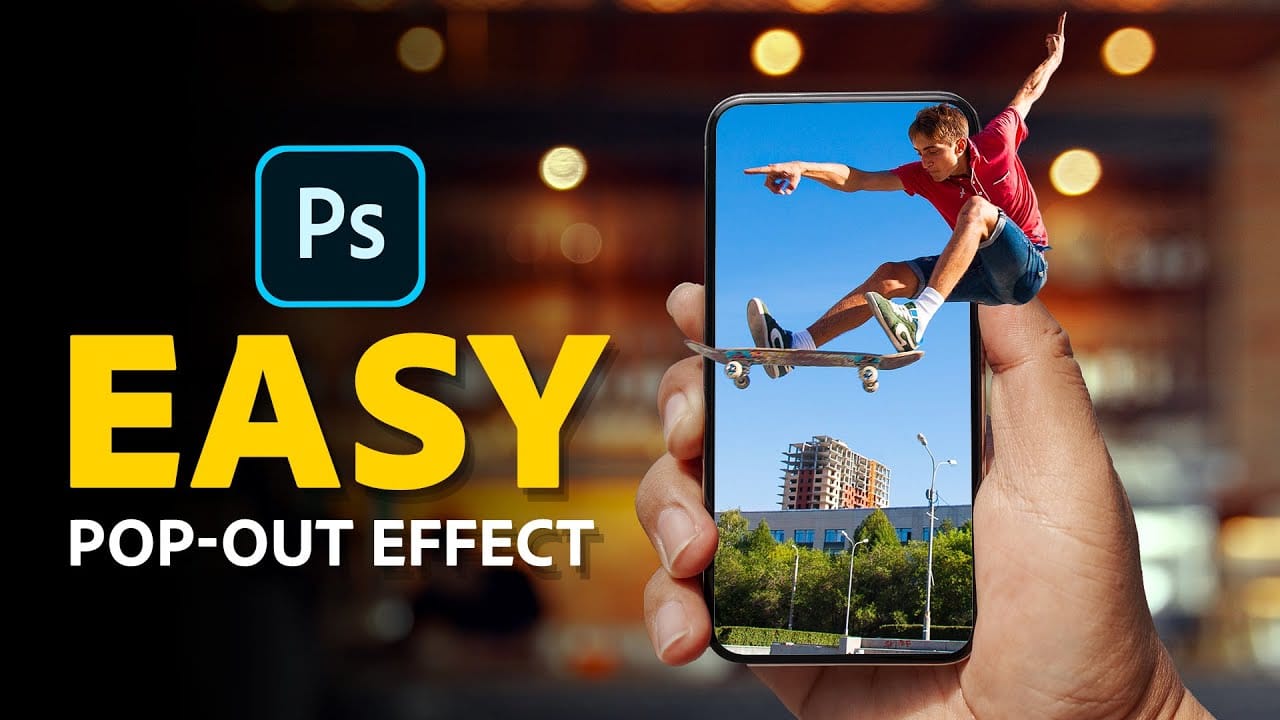
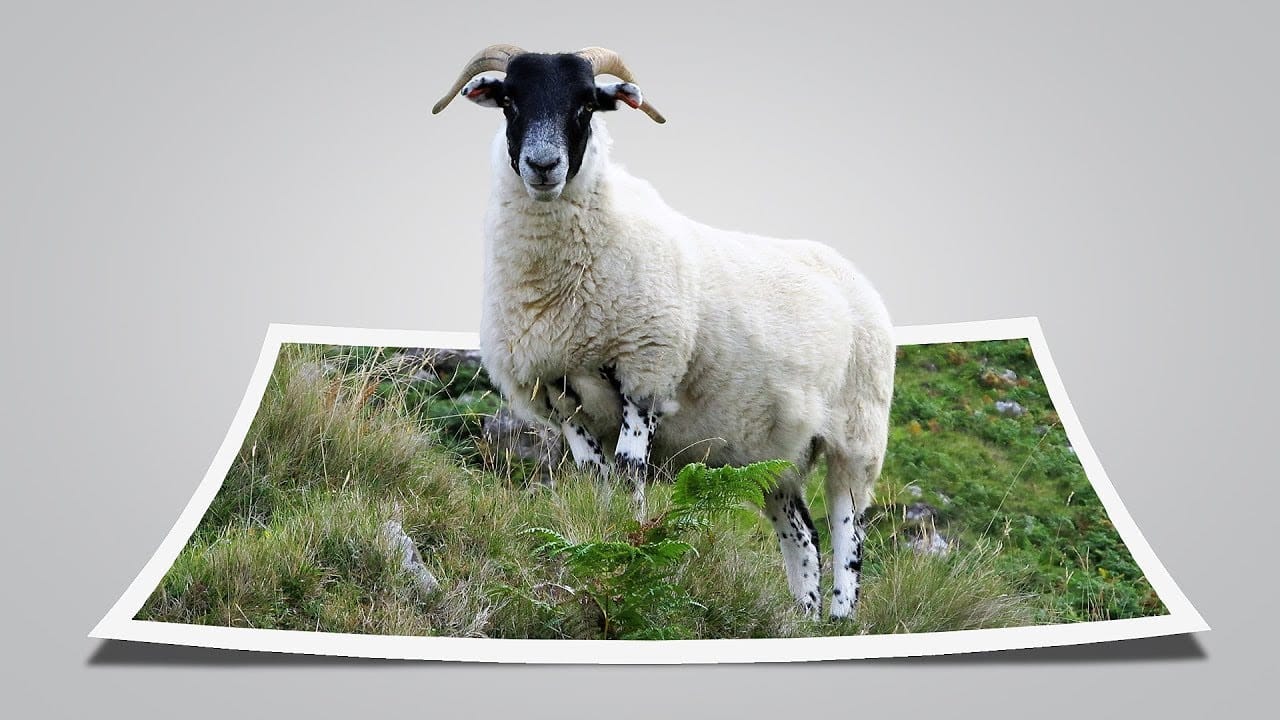
How to Create a 3D Pop-Out Effect in Photoshop
In this tutorial by Jesus Ramirez from PTC Photoshop Training Channel, you'll learn to create an eye-catching 3D pop-out effect using just two simple Layer Masks. Ideal for Photoshop 2021 (22.5) and newer, this guide walks you through combining Layers and Layer Masks to give the illusion that an element, such as a skateboarder, is jumping out of a phone screen. The tutorial provides clear instructions on how to apply this technique to make your images stand out with a dynamic, three-dimensional
Create a fun pop out frame effect in Photoshop
This tutorial by Click3D explores the creative process of making a whimsical 3D pop-out photo effect in Photoshop. This effect brings images to life and introduces a surreal quality that transforms the viewing experience. Imagine a scene where a subject appears to leap out of a polaroid frame, adding an element of fun and surprise. The author takes the reader through the steps to create this delightful and impactful visual effect. By using simple techniques, the tutorial demonstrates how to ach
Create a pop-up illustration in Photoshop
In the world of visual communication, pop-up illustrations have long been a domain reserved for children's books. However, this tactile and physical approach to design has now found a place across the creative industry. Illustrators and designers alike are embracing pop-up and 3D techniques to add a touch of flair and excitement to their visual concepts. Pop-ups can infuse your work with a sense of playfulness, offering an element of surprise and interaction. Imagine the delight of opening a sp
Add a third dimension to your photos: 3D Plugins for Photoshop
Rumor has it that Photoshop CS3 will offer some 3D capabilities. There is no official list of features, but it seems that you will be able to open most popular 3D objects formats (objects, not scenes though…) and presumably, have access to thier color and texture properties. But as of this writing the only official word is that these 3D capabilities are not active in Photoshop CS3 beta preview. So, until Photoshop CS3 is released, you will have to use the available plugins to create 3D images i

Get tutorials & freebies delivered to you.

Subscribe to the Photoshop Roadmap newsletter, a weekly roundup of new tutorials, insights and quality downloads, trusted by 6500+ readers.

You might also like

How Photoshop's Enhance Edge Feature Removes Hair Masking Halos

Hair masking has long been one of the most tedious tasks in photo compositing — especially when switching between dark and light backgrounds reveals unwanted halos along the edges. Photoshop's new Enhance Edge feature, available in beta 27.11, offers an AI-powered approach to this problem by generating...

How to Use Quick Compare and Dynamic Layers in Photoshop Beta

Photoshop Beta's latest update introduces two tools worth knowing: a Quick Compare toggle for instant before/after previews, and a Dynamic Layer feature that lets you control AI-generated effects with a simple slider. Together, they streamline how you review edits and apply prompt-based changes like adding...

Retouching Pet Portraits in Photoshop: Cleaning Fur, Eyes, and Fine Details

Pet photos rarely arrive perfectly clean — staining around the eyes, discolored fur near the mouth, and stray hairs are common problems that need fixing before any serious portrait work begins. This workflow covers how to remove those distractions manually using overpaint and fur brushes, then finish with eye enhancement techniques...

Before and After View Plus Dynamic Layers in Photoshop Beta

Photoshop Beta currently includes two features that work quite differently from each other. The first adds a straightforward before-and-after comparison tool directly into the editing workspace — something that sounds simple but solves a real problem when a file already has multiple layers. The second, Dynamic Layers, uses AI...

How to Blend Multiple Exposures for Car Light Trails in Photoshop

Stacking multiple exposures of a night scene lets you capture far more light trail detail than any single shot can deliver. This technique uses the Lighten blending mode to combine a bright base image with several car light trail frames, keeping only the brightest pixels from each layer for a...

You’ve successfully subscribed to Photoshop Roadmap
Welcome back! You’ve successfully signed in.
Great! You’ve successfully signed up.
Success! Your email is updated.
Your link has expired
Success! Check your email for magic link to sign-in.