How to Transform a Photo into an Antique, Oil Painting Photoshop

How to Transform a Photo into an Antique, Oil Painting Photoshop

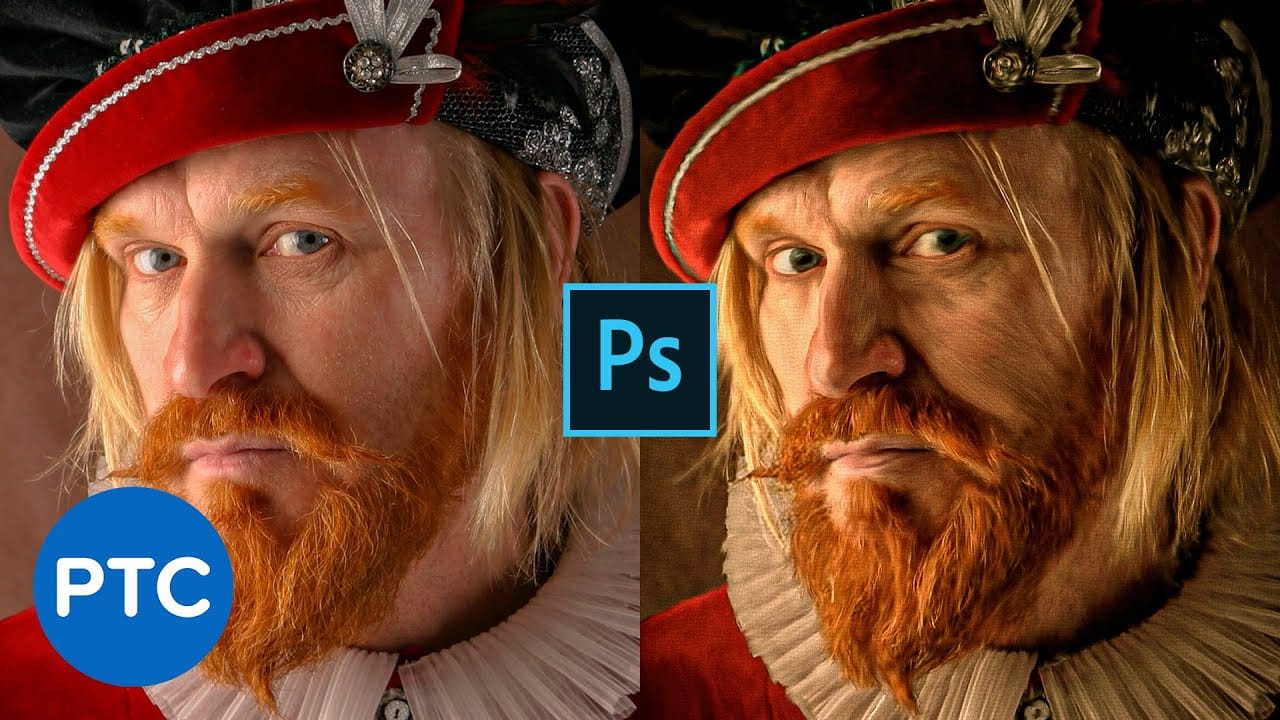
This tutorial explores a fascinating method to transform digital photographs into timeless antique oil paintings. It focuses on techniques that emulate the classic appearance of aged art, adding character and depth to modern images.

Viewers will discover how to apply artistic effects within Photoshop, including specific color adjustments, textural overlays, and brushstroke simulations, to achieve a convincing vintage aesthetic reminiscent of historical artworks.

Watch the Video

Video by Blue Lightning. Any links or downloads mentioned by the creator are available only on YouTube

Crafting the Illusion of Age and Artistry

Recreating the look of an antique oil painting involves more than just applying a filter; it's about layering visual cues that suggest age and artistic handiwork. Key elements include the subtle cracking of aged paint, known as craquelure, and a softened, muted color palette that evokes a bygone era. These details work together to lend a sense of history and depth to a modern digital image.

The transformation also considers the characteristic brushwork of traditional oil paintings, which often involves visible strokes that add texture and movement. By simulating these artistic nuances, digital images can transcend their photographic origins and take on the qualities of a handcrafted piece. This process bridges the gap between digital precision and the organic beauty of traditional art forms.

Practical Tips for Creating Antique Oil Painting Effects

  • Convert your photo to a Smart Object early in the process to allow for non-destructive edits and flexible adjustments.
  • Apply the "Inner Glow" effect with a black color and "Multiply" blend mode to subtly darken the edges of your composition.
  • Use the "Color Lookup" adjustment layer with a "Candlelight.CUBE" LUT for a quick, warm, antique color tone, or utilize "Hue/Saturation" in older Photoshop versions.
  • Employ the "Dry Brush" filter within the Filter Gallery's Artistic folder to achieve a textured, painterly brushstroke effect.
  • Incorporate a "craquelure" texture layer with a "Multiply" blend mode to simulate the natural cracking of aged oil paint.

Explore more techniques to enhance your digital art with these related tutorials.
How to Apply an Impressionist Oil Painting Effect to a Photo
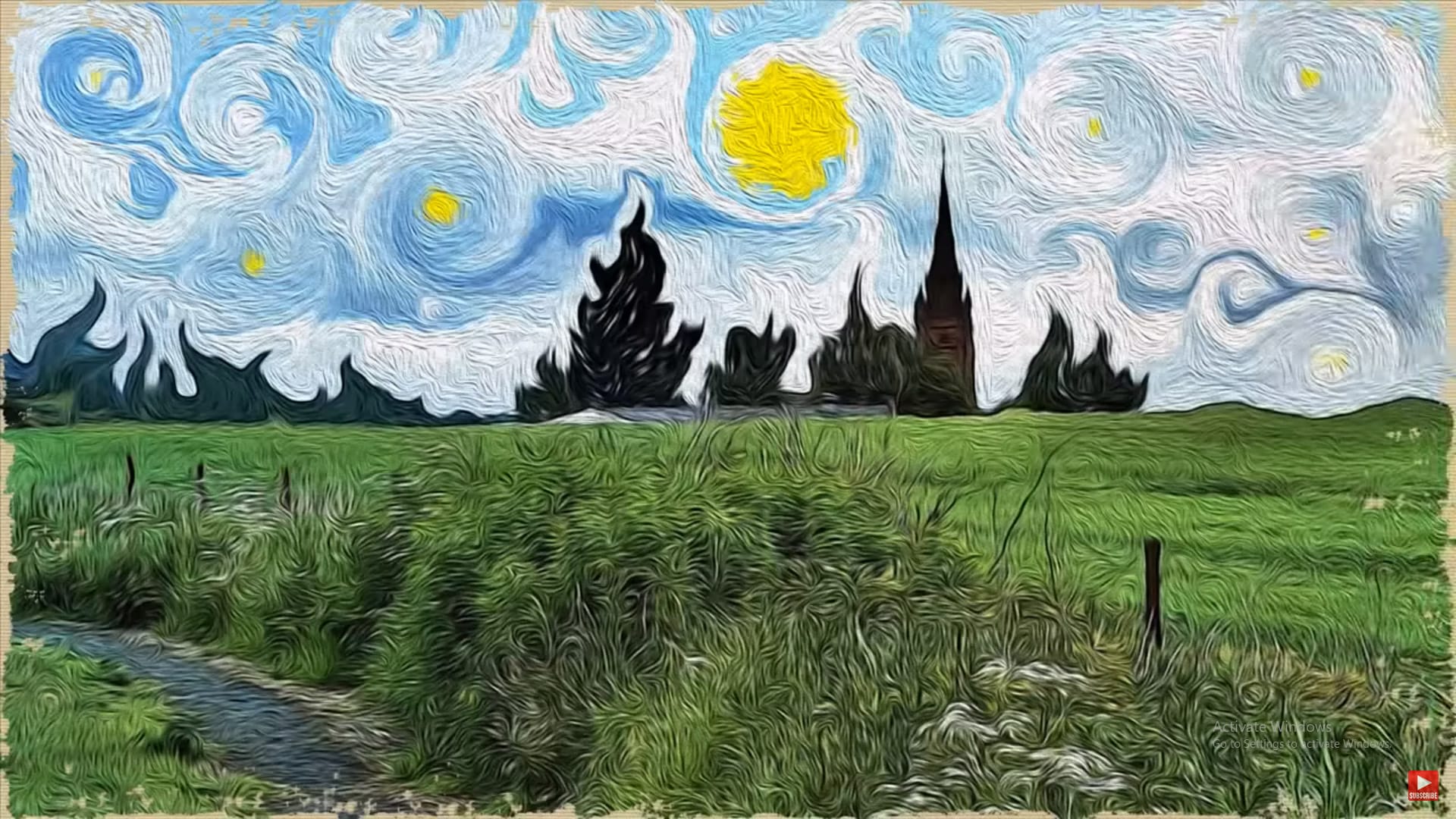
Marty Geller from Blue Lightning TV will demonstrate how to transform a regular photo into a painting reminiscent of Vincent van Gogh’s iconic “Starry Night” using Photoshop. This tutorial is tailored for Photoshop CS6 users with the oil paint filter, but CS5 users can follow along by downloading Adobe’s Pixel Bender plug-in. Marty provides a step-by-step guide, starting with a 1920 by 1080 pixels document, to recreate the swirling, dynamic brushstrokes characteristic of Van Gogh’s style. The t
Create an Action to Transform your Photos into Impressionist Paintings
Marty Geller from Blue Lightning TV shares a Photoshop tutorial that teaches you how to create an action to transform your photos into impressionist paintings. This action allows you to instantly apply the look of beautiful, impressionist paintings to your images. The tutorial guides you through the step-by-step process of creating the action. You'll learn how to use various Photoshop tools and techniques to achieve the desired impressionist effect. The author provides detailed instructions and
Create an antique golden frame in Photoshop
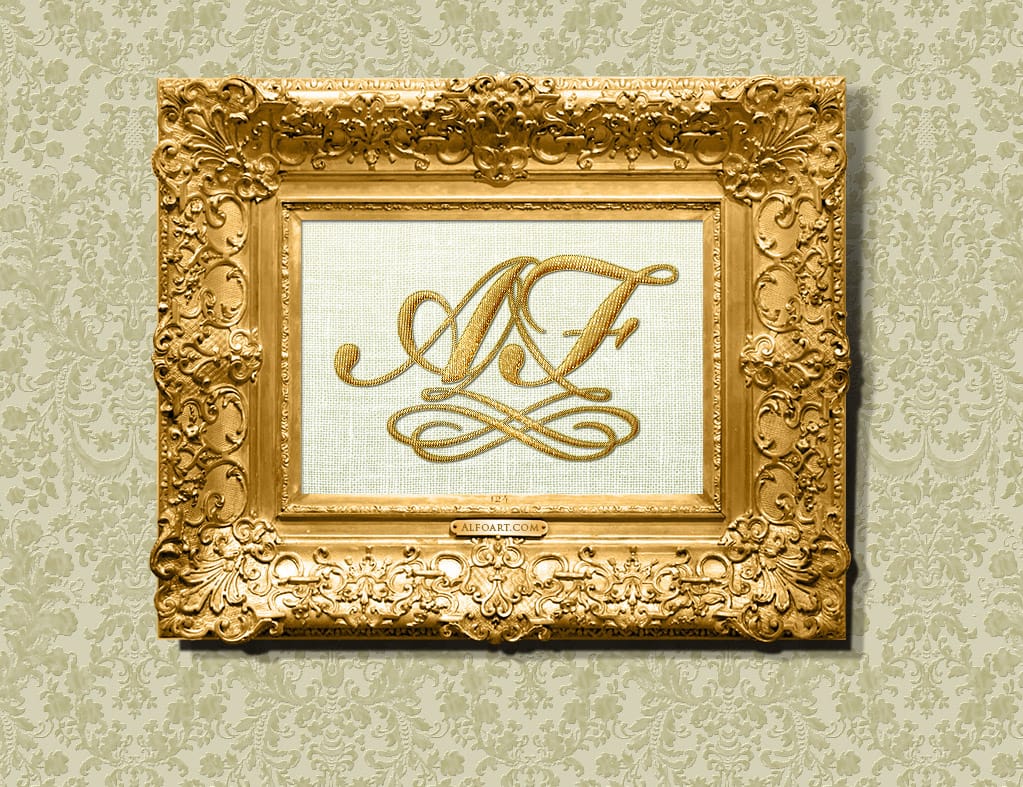
In this tutorial from Alfoart you will learn how to create a beautiful and classy antique golden frame, using patterns, in Photoshop Alexandra Fomichieva from Alfo Art shares a Photoshop tutorial on how to create an image of a monogram sewn with golden thread on a linen cloth. The tutorial guides the user through framing the monogram with a golden wooden frame and placing it on a wall covered with a damask ornate wallpaper. The author provides step-by-step instructions, making it easy for user
Beautiful Oil Painting Effect in Photoshop With Oil Paint Filter
Struggling to capture the artistic flair of oil paintings with your digital photos? Look no further! This short and sweet Photoshop tutorial, clocking in at just 90 seconds, will show you how to use the Mixer Brush to transform your photos into captivating works of art. The instructor, Jesus Ramirez from photoshoptrainingchannel.com, will guide you through the entire process. You’ll learn how to leverage the unique capabilities of the Mixer Brush, mimicking real-life oil painting techniques lik

Get tutorials & freebies delivered to you.

Subscribe to the Photoshop Roadmap newsletter, a weekly roundup of new tutorials, insights and quality downloads, trusted by 6500+ readers.

You might also like

7 Photoshop AI Tools You're Probably Not Using Yet

Photoshop’s AI features now go far beyond simple object removal. Some of the newer tools can completely change the way you edit photos, create composites, clean up distractions, or expand scenes — often with just a few clicks. The interesting part is that many of these features still feel surprisingly...

Transform Photos into Ink Drawings in Photoshop

Traditional ink drawings capture bold contrasts and artistic expression through pure black and white elements. This technique transforms ordinary photographs into striking ink artwork by combining specific filters with smart object workflows for complete creative control. The method uses oil paint effects, shadow adjustments, and threshold conversion to create authentic...

How to Build Monochromatic Color Palettes with Layers in Photoshop

Creating harmonious color schemes requires understanding how to layer colors strategically rather than relying on single adjustments. A monochromatic palette uses tints, tones, and shades from the same color family to create depth and visual unity. This technique demonstrates how to build rich, textured backgrounds by combining solid color fills,...

How to Use the New 3D Object Rotation Feature in Photoshop

Photoshop's new Rotate Object feature transforms flat 2D images into interactive 3D models that can be repositioned from any angle. This AI-powered tool automatically creates cutouts, maintains original textures, and generates missing details when objects are rotated beyond their original perspective. The feature opens new possibilities for product...

How to Use Depth Range Masking in Camera Raw

Adobe Camera Raw's depth range masking feature allows you to select and adjust specific depth layers in any photograph without needing special camera equipment. Unlike traditional subject and background masks that focus on shapes, depth range masking works with the spatial distance between elements in your image. This...

How to Remove Objects Using Photoshop's Updated Remove Tool Without Credits

Photoshop's updated Remove tool offers powerful AI-powered object removal without consuming any generative credits, regardless of your subscription plan. The tool features automated distraction detection that categorizes different types of visual clutter—from trash and people to urban elements and blemishes—making it easy to selectively remove unwanted...

You’ve successfully subscribed to Photoshop Roadmap
Welcome back! You’ve successfully signed in.
Great! You’ve successfully signed up.
Success! Your email is updated.
Your link has expired
Success! Check your email for magic link to sign-in.