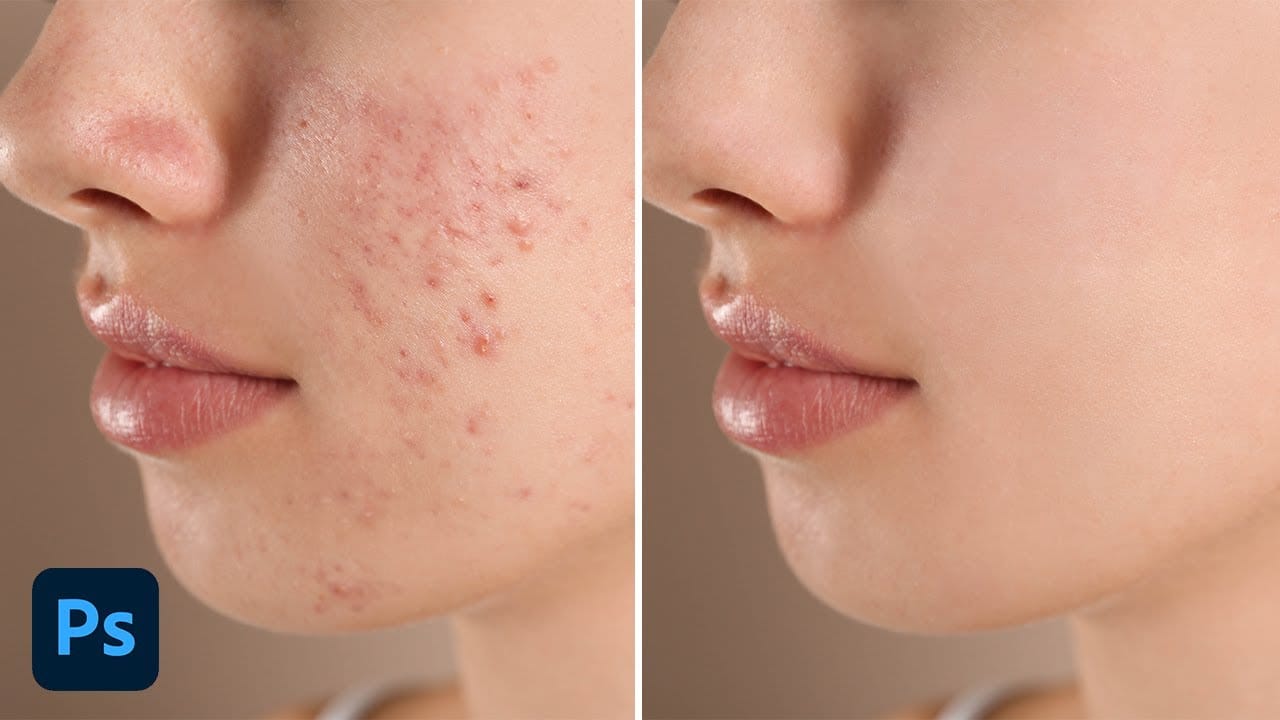
Smooth Skin and Remove Blemishes and Scars in Photoshop

Smooth Skin and Remove Blemishes and Scars in Photoshop

Achieving flawless skin in portraits often requires careful retouching to enhance natural beauty without sacrificing detail. This tutorial demonstrates a reliable Photoshop workflow for refining skin texture and addressing common imperfections.

Viewers will discover how to efficiently smooth skin texture, eliminate blemishes and scars, and precisely restore important facial features like eyes and lips, ensuring a natural and polished outcome.

Watch the Tutorial

Video by Blue Lightning. Any links or downloads mentioned by the creator are available only on YouTube

The Principles of Natural Skin Retouching

Digital portrait photography often benefits from careful skin retouching to enhance a subject's appearance. The primary goal is to refine skin texture and remove distractions without making the image appear artificial. A key challenge lies in preserving the natural pores and subtle variations that contribute to a realistic look.

Effective skin retouching involves a multi-step process that addresses different types of imperfections. This includes:

  • Smoothing out general skin texture.
  • Removing specific blemishes, scars, or spots.
  • Reintroducing fine detail to areas like eyes and lips.

This approach ensures that while imperfections are minimized, the underlying character and realism of the portrait are maintained. Techniques often combine blurring methods with targeted healing tools to achieve a balanced result. The careful application of these tools allows photographers to selectively refine areas while leaving others untouched, ensuring a professional and believable final image.

Practical Tips for Skin Retouching

  • Isolate Skin Accurately: Begin by making a precise selection of the skin using tools like the Quick Selection tool, then refine the edge to include hair overlaps, outputting to a "New Layer with Layer Mask" for non-destructive editing.
  • Apply Surface Blur Strategically: Use the Surface Blur filter to smooth the skin, carefully adjusting the Radius and Threshold values to hide most blemishes while retaining some underlying texture.
  • Restore Key Facial Features: Utilize the Layer Mask with a soft black brush (0% Hardness) to reveal original details on areas like eyes, eyebrows, and lips, preventing a blurred or unnatural appearance.
  • Refine Remaining Imperfections: Employ the Spot Healing Brush with "Content Aware" active to easily remove any lingering blemishes, scars, or spots by simply brushing over them.
  • Reintroduce Natural Grain: Finish by adding noise (Gaussian, Monochromatic) to the retouched skin layer, matching the original image's grain to ensure a cohesive and natural texture.

Explore additional resources to further enhance your skills in refining portraits and managing digital image imperfections.
5 easy ways to clean blemishes and heal skin in Photoshop
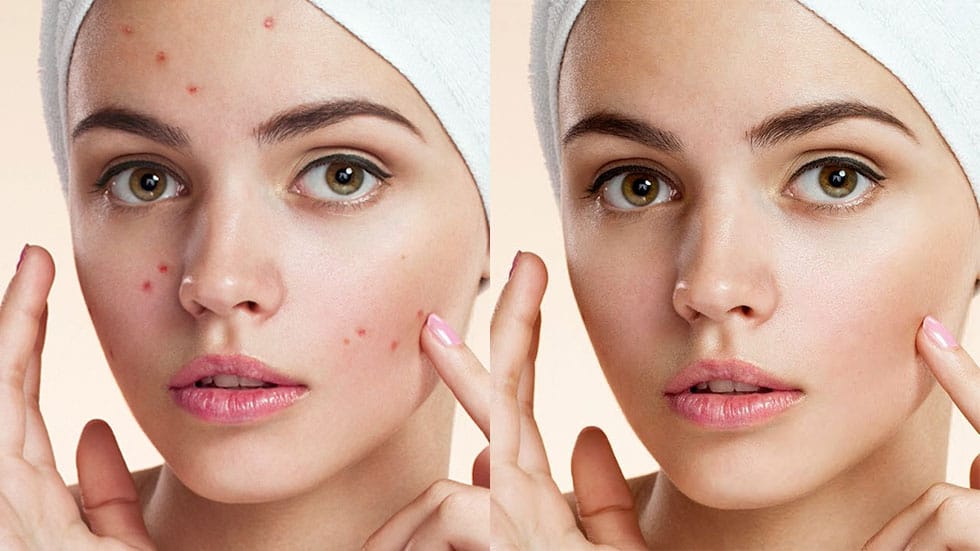
Skin imperfections such as blemishes, acne, or scars can significantly impact the visual appeal of an otherwise excellent photograph. Achieving a polished, natural finish often becomes a challenging and frustrating task, as manual removal methods can easily lead to unnatural-looking results if not executed with precision and care. This comprehensive tutorial delves into multiple Photoshop techniques specifically designed for effectively healing and removing skin blemishes. Viewers will learn va
How to easily remove acne and blemishes in Photoshop
In this Photoshop tutorial, Brendan Williams shares his straightforward three-step process for retouching skin and removing acne and blemishes. This guide is designed to be beginner-friendly, avoiding complex methods while still achieving professional results. Brendan begins by introducing the healing brush tools. These tools are essential for removing acne and blemishes effectively. He explains how to use them properly to ensure a natural look, emphasizing the importance of maintaining skin te
How to Remove Wrinkles in Photoshop
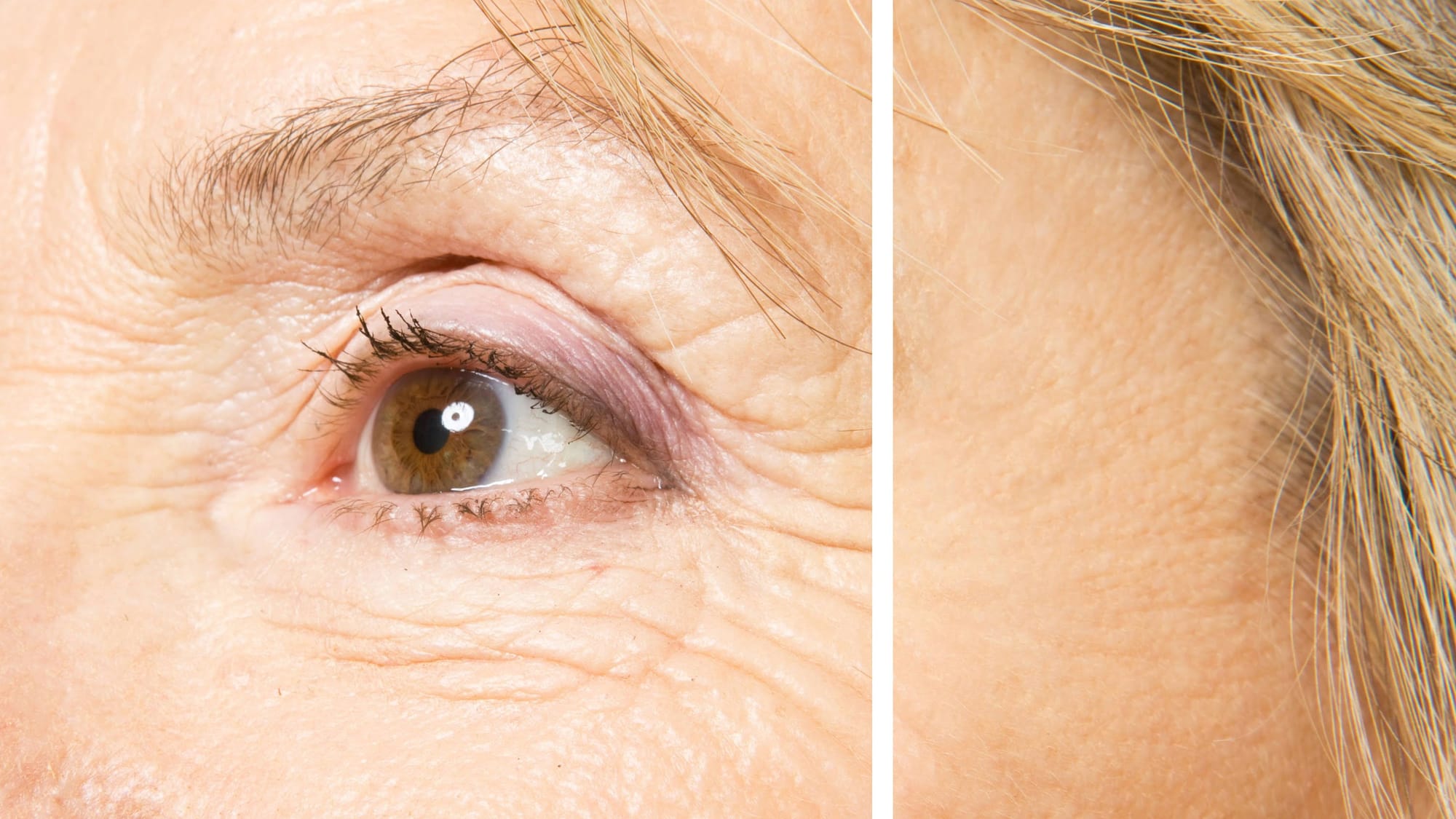
In this tutorial by Aaron Nace from Phlearn, learn how to remove or reduce wrinkles in Photoshop effectively. For complete wrinkle removal, use the Healing Brush Tool with a brush size slightly larger than the wrinkle, sampling color just below it. For a more subtle approach, use the Clone Stamp tool on a duplicated background layer in "Lighten" mode to conceal wrinkles naturally. These techniques ensure a balanced and realistic retouch, keeping the skin's natural texture intact. Perfect for e
Remove wrinkles from clothes easily in Photoshop
In this tutorial by PiXimperfect you will learn the most natural way to iron your clothes and get the wrinkles off the fabric in Photoshop. Learn to use the amazing power of Frequency Separation to magically even out the creases without disturbing the texture of the fabric. In this video, we will learn how to separate the image into wrinkles and fabric texture so that we can just work on the wrinkles and not affect the texture. Using the mixer brush, we will even out the wrinkles and creases, a

Get tutorials & freebies delivered to you.

Subscribe to the Photoshop Roadmap newsletter, a weekly roundup of new tutorials, insights and quality downloads, trusted by 6500+ readers.

You might also like

How to Use AI Masking in Adobe Camera Raw for Professional Photo Editing

Adobe Camera Raw's AI masking tools automatically detect subjects, backgrounds, skies, and landscapes, letting you make precise adjustments to specific areas of your photos. These intelligent masks eliminate the need for manual selection work, while allowing you to combine and refine them for complete creative control. The technique...

How to Remove Objects from Photos Using AI Tools in Photoshop

Photoshop's AI-powered object removal tools can eliminate unwanted distractions from your photos with minimal effort. The Remove Tool and Generative Fill feature automated detection for common distractions like people and wires, plus manual painting options for custom removals. These tools work on separate layers, preserving your original image...

Speed Up Your Color Grading Workflow with Photoshop Actions

Color grading can transform your images, but manually adjusting curves and levels for every photo takes time. Photoshop actions offer a faster approach by applying professional color treatments with a single click. This workflow uses pre-built actions, tints, and LUTs to achieve various moods and styles instantly, letting you layer...

7 Essential Tips for Speed Painting in Digital Art

Speed painting isn't just about working faster—it's about eliminating friction from your creative process. These seven techniques help you get ideas onto canvas quickly without getting bogged down in unnecessary decisions or premature details. Whether you're exploring concepts for professional work or personal...

Professional Color Grading Techniques in Photoshop

Color grading transforms ordinary photos into compelling images with professional mood and atmosphere. These non-destructive techniques let you adjust tones, enhance specific colors, and create cinematic looks while preserving your original image data. Master these four essential color grading methods to develop a consistent editing workflow that elevates your photography....

How to Save Cut-Out Elements with Transparent Backgrounds in Photoshop

Creating seamless photo composites requires properly saving cut-out elements with transparent backgrounds. Whether you're extracting people, objects, or other elements for later use, the file format you choose determines how easily you can place these elements into new scenes. Two main approaches work best: saving as PSD files...

You’ve successfully subscribed to Photoshop Roadmap
Welcome back! You’ve successfully signed in.
Great! You’ve successfully signed up.
Success! Your email is updated.
Your link has expired
Success! Check your email for magic link to sign-in.