Create a Nuclear Explosion in Photoshop

Create a Nuclear Explosion in Photoshop

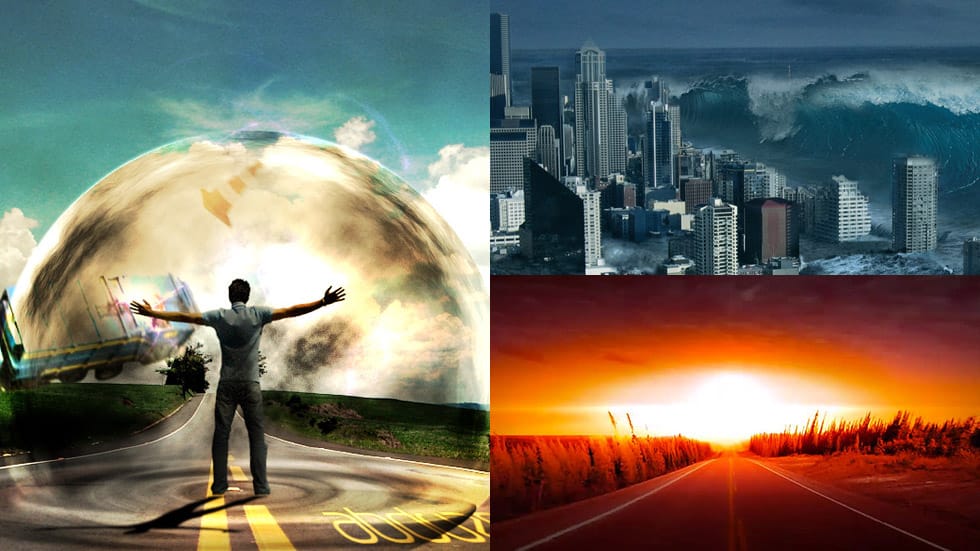
This video tutorial guides you through the process of transforming an ordinary photograph into a dramatic apocalyptic scene featuring a nuclear explosion.

You will learn essential Photoshop techniques, including the strategic use of adjustment layers, filters, and transformation tools, to achieve a visually impactful and realistic-looking disaster effect.

Watch the Video

Video by Blue Lightning. Any links or downloads mentioned by the creator are available only on YouTube

Understanding Visual Impact in Apocalyptic Photo Effects

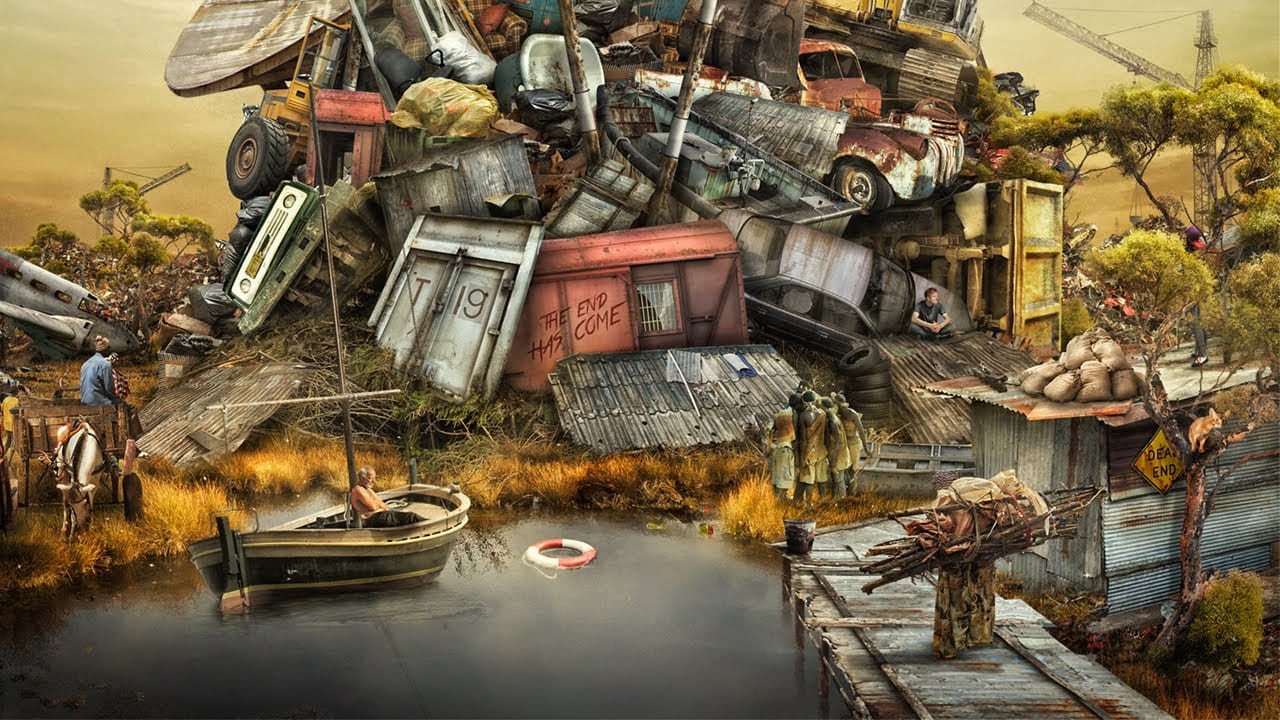
Apocalyptic imagery in art and media often explores themes of immense destruction, human resilience, or the raw, untamed power of natural or human-made events. A nuclear explosion, specifically, serves as a potent symbol of transformative, catastrophic force. Creating such a scene in Photoshop transcends mere technical application; it involves a deeper understanding of how visual elements contribute to the overall mood and narrative.

Achieving a convincing post-apocalyptic atmosphere requires more than just applying filters. It demands careful consideration of how light, distortion, and color palettes interact to convey chaos and energy while maintaining visual coherence. The goal is to craft an image that feels both fantastical and disturbingly real.

Key elements that contribute to a compelling explosion effect include:

  • Perspective distortion and warping to simulate impact.
  • Intense, central light sources that mimic a blast.
  • Atmospheric elements like smoke and debris.
  • Strategic color grading to enhance the mood of destruction.

Practical Tips for Creating Explosion Effects

  • Leverage the Warp Tool for Realistic Distortion: Use the Warp tool to dynamically bend and stretch elements like trees, simulating the intense force of a blast.
  • Combine Lens Flare and Gaussian Blur for Explosive Light: Apply a Lens Flare filter for the core light source, then blur it with Gaussian Blur to create a soft, fiery glow.
  • Utilize Blend Modes for Enhanced Visuals: Experiment with blend modes like Color Dodge, Hard Light, and Overlay to intensify light, blend layers, and add depth to the explosion.
  • Adjust Transform Proportions for Scale: Precisely control the scale and stretch of explosion elements by manually inputting width and height percentages in the Transform tool.
  • Create Atmospheric Effects with Clouds and Gradients: Generate realistic smoke and debris using the Clouds filter, then colorize it with a Gradient Map for an apocalyptic hue.

Explore more advanced techniques and creative approaches to designing devastating and post-apocalyptic scenes in Photoshop with these additional resources.
Post Apocalyptic Photo Effect Tutorial in Photoshop
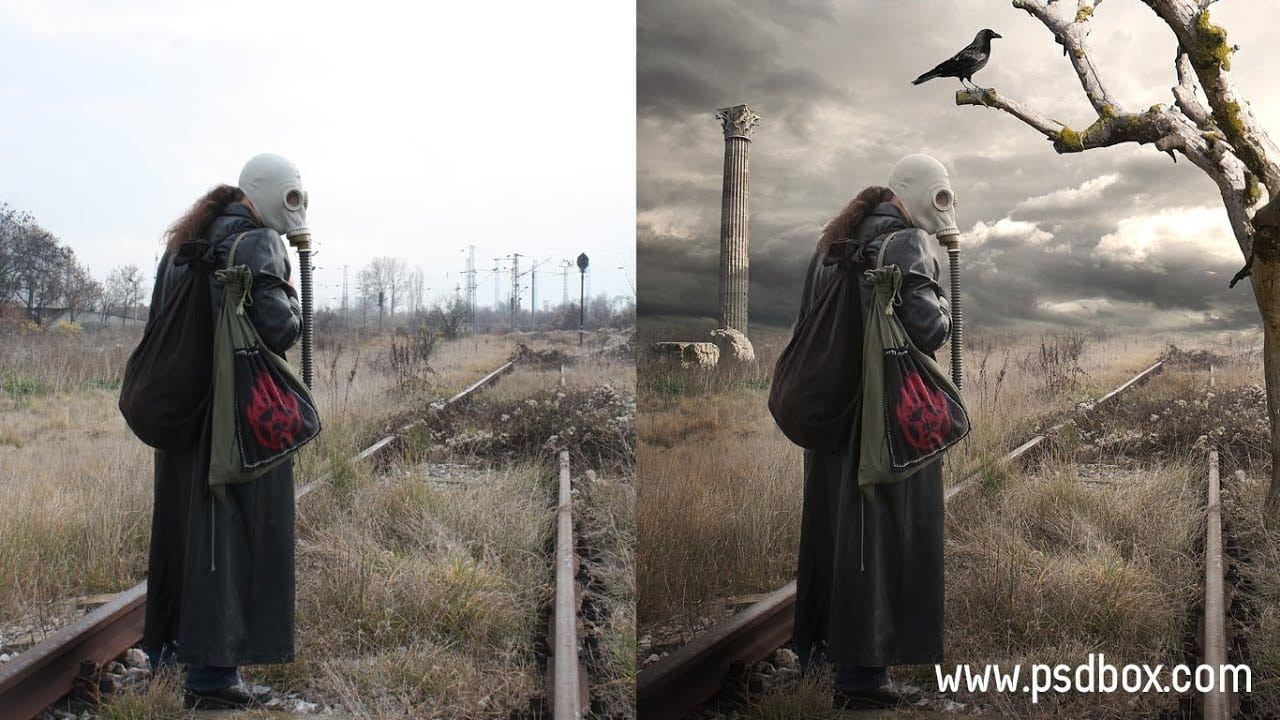
In this tutorial, you will learn how to create a striking post-apocalyptic photo effect using Photoshop. By following straightforward manipulation techniques, you will see how to transform stock images to create an atmospheric scene that captures the essence of a world after calamity. The tutorial focuses not only on the manipulation of images but also on changing the lighting to enhance the overall mood. A unique tip for masking pixel edges will also be shared, using the Contract Selection com
How to Create a Post Apocalyptic Photo Manipulation
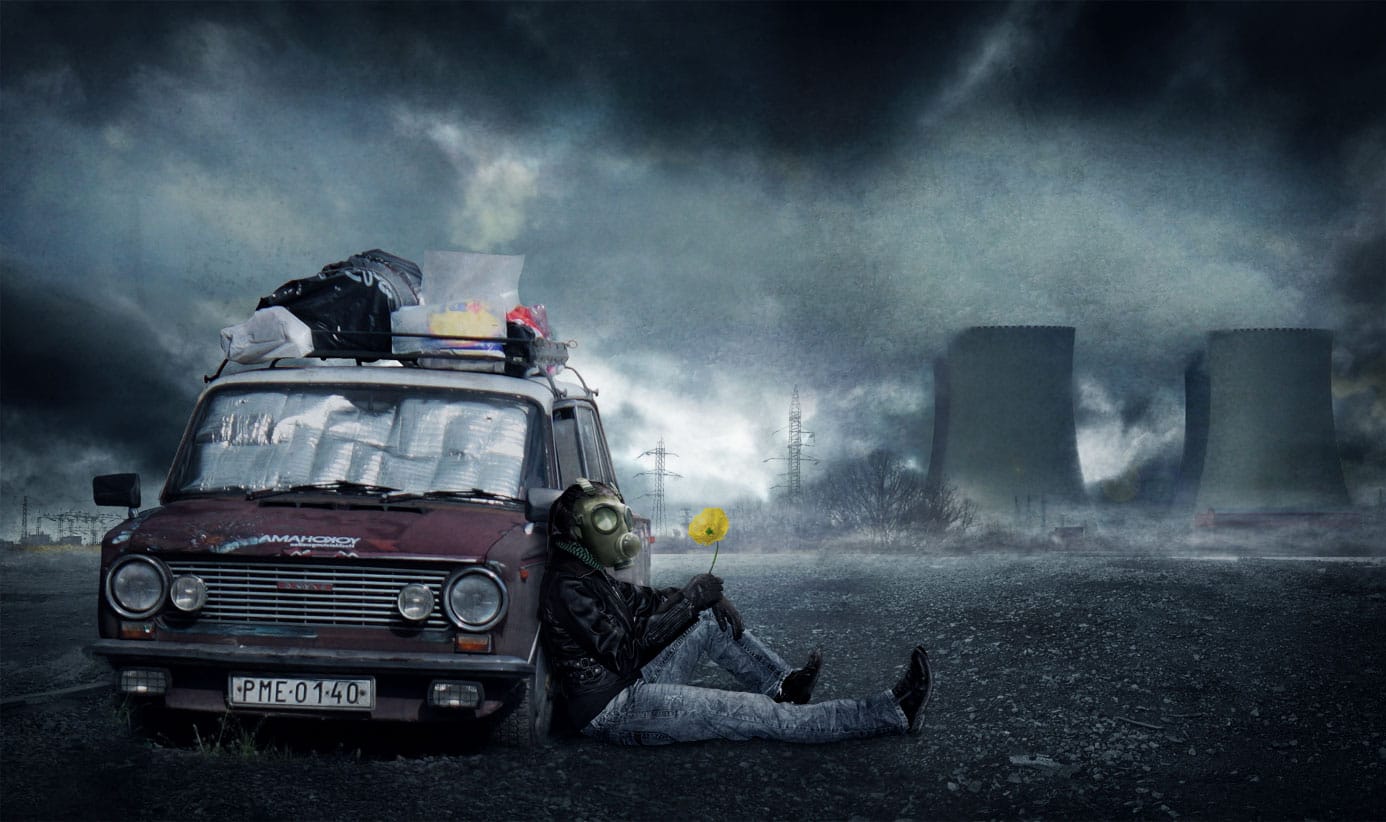
This tutorial provides a clear and straightforward guide on creating a compelling post-apocalyptic photo manipulation featuring a nuclear plant wasteland. You will learn how to integrate a survivor and his old car into the scene, using a combination of adjustment layers, vector masks, and special effects. Throughout the process, the tutorial emphasizes easy-to-follow steps, ensuring that you can achieve a professional-looking result, regardless of your experience level. You’ll gain insights int
Devastating Destruction and Postapocalyptic Scenes Photoshop Tutorials
For the average Photoshop user, creating stunning and complex scenes may often seem out of reach. However, with the right resources and guidance, it's entirely possible to bring those creative visions to life. One of the exciting trends in Photoshop is the ability to produce destruction and apocalyptic scenes. This collection of tutorials focuses on elements like explosions, debris, and chaotic environments, allowing you to explore your creativity in new ways. As you work through these tutoria
Awesome apocalyptic photo manipualtion speed art in Photoshop
As you enter this captivating world, you're greeted by a scene that speaks volumes. The year is 2058, and humanity has faced its darkest hour. Resources have been depleted, and the population has dwindled to mere thousands, seeking refuge in the last remnants of civilization. In this junk-infested safe haven, the talented artist Dewis Moorhead from FlewDesigns has crafted a stunning photographic manipulation that transports you to a dystopian future. The attention to detail is remarkable, with

Get tutorials & freebies delivered to you.

Subscribe to the Photoshop Roadmap newsletter, a weekly roundup of new tutorials, insights and quality downloads, trusted by 6500+ readers.

You might also like

How to Use Select Subject for Background Removal and Edge Refinement

Background removal becomes effortless when you know how to use the right tools. AI-powered selection can instantly isolate subjects from their backgrounds, but the real skill lies in refining those selections to create professional results. This guide covers the complete workflow from initial selection to edge refinement, plus creative techniques...

How to Wrap Text Around Any Shape in Photoshop

Creating text that flows naturally around irregular shapes transforms static layouts into dynamic, professional designs. This technique works particularly well for posters, magazine layouts, and editorial designs where text needs to integrate seamlessly with complex subjects rather than simply sitting in rigid rectangular boxes. The process combines selection tools, path...

How to Edit Text in Images Using Generative Fill

Changing text within existing images has traditionally required complex masking and reconstruction techniques. Modern AI-powered tools now make it possible to seamlessly replace words and phrases in photographs while maintaining realistic typography, lighting, and perspective that matches the original scene. This technique works particularly well for signs, storefronts, billboards, and...

How to Remove Dust and Sensor Spots Using Photoshop Tools

Dust spots and sensor particles are inevitable challenges in digital photography, appearing as dark specks that distract from otherwise clean images. Camera sensors collect dust over time, creating consistent spots that show up across multiple photos, particularly in bright sky areas or uniform backgrounds. Both Lightroom and Photoshop offer specialized...

Photoshop vs Affinity Photo: Feature Comparison and Professional Analysis

When choosing professional photo editing software, the decision often comes down to comparing features, performance, and value. This detailed comparison examines the core capabilities of both applications across noise reduction, smart selections, object removal, masking, and AI-powered tools. The analysis covers real-world scenarios that professionals encounter daily, from complex background...

Create Realistic Water Reflections Using Generative Fill in Photoshop

Traditional reflection techniques in photo editing often produce unrealistic results because they simply flip and copy existing image elements. Real reflections show different viewing angles and reveal surfaces not visible in the original photograph—like the underside of vehicles or objects viewed from below water level. Generative fill technology solves...

You’ve successfully subscribed to Photoshop Roadmap
Welcome back! You’ve successfully signed in.
Great! You’ve successfully signed up.
Success! Your email is updated.
Your link has expired
Success! Check your email for magic link to sign-in.