Magic Smoke Text Effect in Photoshop

Magic Smoke Text Effect in Photoshop

Infuse your text with a mysterious, ethereal glow, transforming ordinary words into captivating designs. This Photoshop tutorial reveals how to achieve a stunning magical smoke effect, making your typography appear as if it’s gently swirling with wisps of enchantment.

This guide provides a comprehensive walkthrough, showing you how to master intricate layering and blending techniques. You will learn to create a visually striking effect that brings your text to life with an otherworldly touch, perfect for captivating your audience.

Watch the Video

Video by Texturelabs. Any links or downloads mentioned by the creator are available only on YouTube

Exploring Non-Destructive Smoke Text Design in Photoshop

Creating an animated smoke text effect often seems to involve complex painting or manual manipulation. However, this method demonstrates a remarkably live and non-destructive approach, primarily utilizing Photoshop’s layer styles and blending modes. The technique relies heavily on a smoke texture to drive the entire visual, offering a flexible way to generate intricate details without permanent changes.

A key aspect is the clever use of the stroke effect with a gradient style, paired with a high-pass filter applied to the smoke texture. This combination, when blended with hard mix mode, generates the signature displaced, smoky edges. The process ensures that the text remains editable, allowing for easy adjustments and experimentation with different fonts or textures. This innovative workflow prioritizes flexibility and artistic freedom.

  • Live and non-destructive approach using layer styles.
  • Reliance on a smoke texture to drive the effect.
  • Stroke effect with gradient style for edge displacement.
  • High-pass filter and hard mix blending mode for unique textures.
  • The benefit of keeping text and effects editable.

Practical Tips for Magical Smoke Text Effects

  • Apply the stroke effect with a gradient fill type set to shape burst to generate the initial blurry edge, forming the basis for displacement.
  • Use a high pass filter on your smoke texture to isolate fine details and create even distribution of swirls before blending.
  • Combine a clipping mask with the hard mix blending mode to effectively displace text edges based on the underlying smoke texture.
  • Adjust Blend If sliders while holding the option key to smooth transitions and refine transparency in smoky elements.
  • Consider modifying a layer’s fill percentage instead of opacity when using blending modes like linear dodge for optimal results.

More Tutorials about Smoke Text Effects

Explore additional techniques and approaches for creating captivating smoke-themed designs in Photoshop.
Create a smoke effect in Photoshop
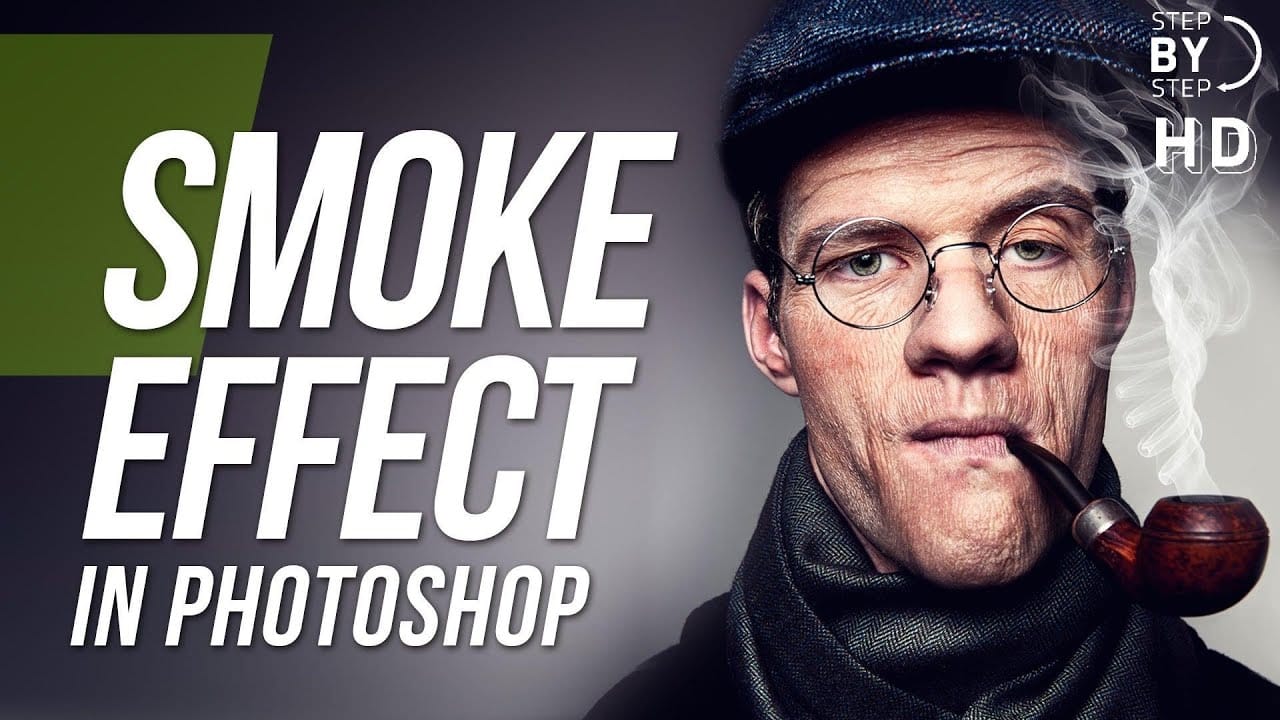
This step-by-step tutorial by RetutPro shows you how to produce a realistic plume of smoke emerging from a pipe. The tutorial walks you through the entire process, from setting up the initial layers to adding the finishing touches. You'll learn useful techniques like using brushes to shape the smoke, adjusting the opacity and blending modes, and incorporating lighting effects. By following along, you'll be able to create a visually striking smoke effect that can be used in a variety of design
Smoke text effect with skulls in Photoshop
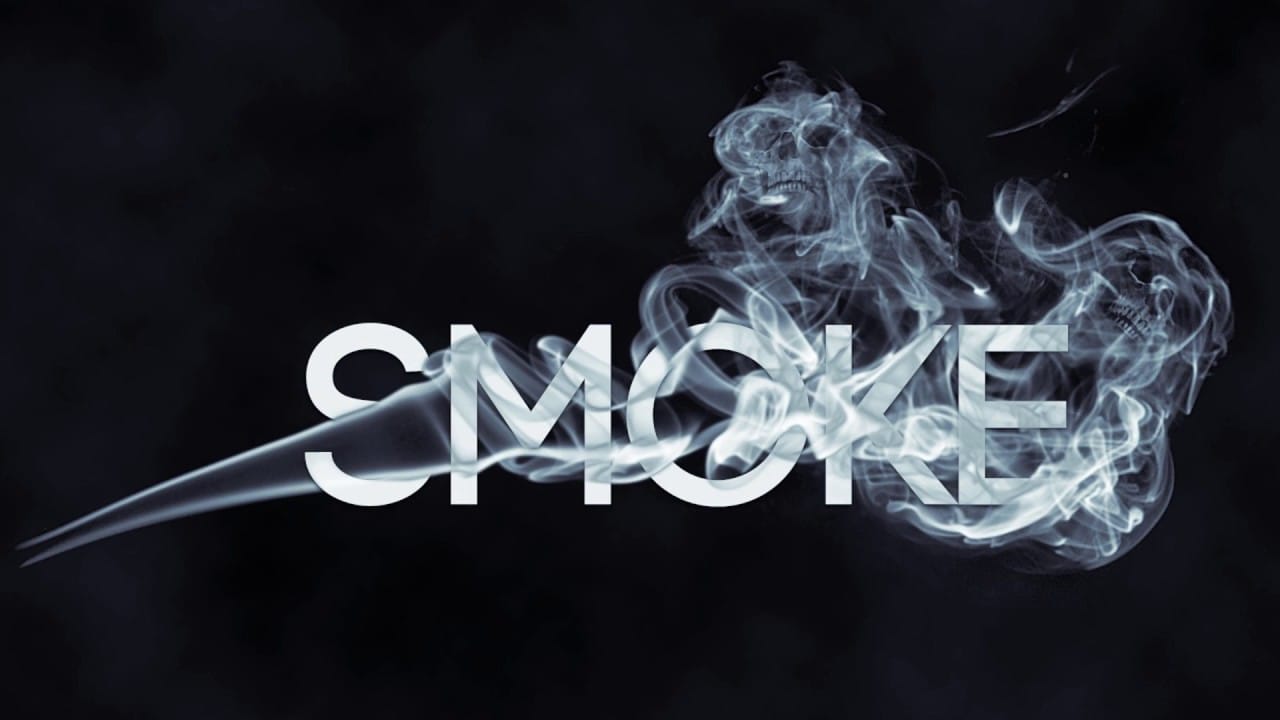
In this Photoshop tutorial, you'll learn how to create a smoke text effect where smoke appears to be released over the letters. Using free brushes and other resources, the tutorial guides you through the steps to achieve this dynamic and ethereal effect. Additionally, the author includes a hidden or disguised skull within the design, subtly making a statement about the dangers of smoking. This tutorial not only teaches you how to create visually striking smoke effects but also incorporates a m
Making a smoke dispersion effect in photoshop
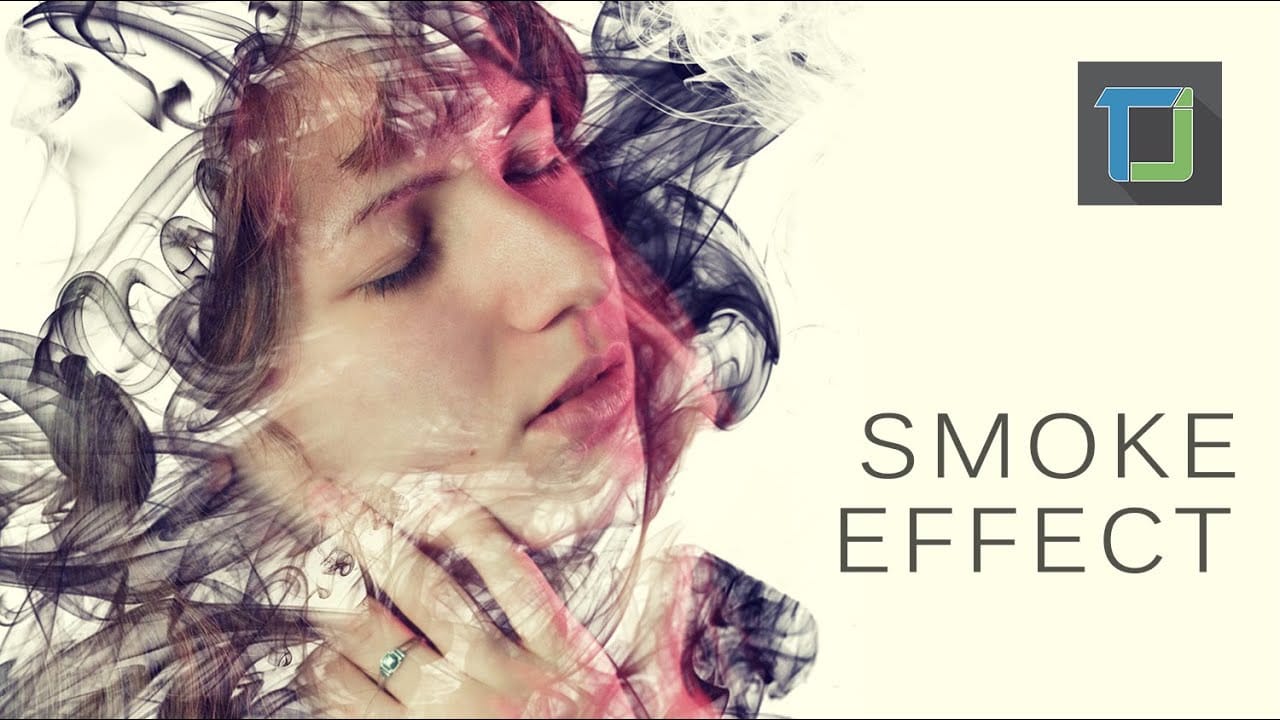
The author provides a straightforward tutorial on creating a smoke dispersion effect in Photoshop. The user is guided through the process of generating a face that appears to be made from smoke and enhancing it with vibrant colors to achieve a more professional-looking result. This tutorial is suitable for beginners, making it accessible to a wide range of Photoshop users. The author suggests that the tutorial is quite basic, indicating that even novice users will find it helpful. By following
Easy Smoke Dispersion Effect in Photoshop
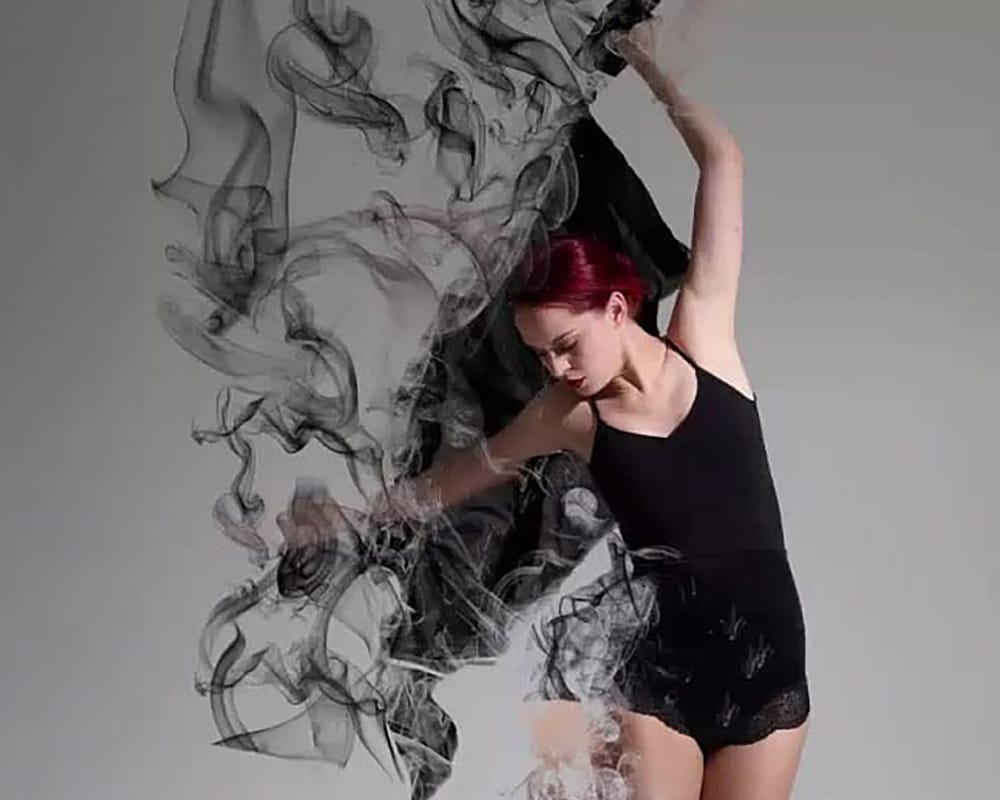
This Photoshop tutorial from Visual-Pixels will show you how to create the dispersion effect in just five minutes. Begin by isolating the model from the background in your image. Duplicate the model onto a new layer and apply the Liquify filter to distort its shape. Conceal this layer and add a black mask to the top layer. Utilize white smoke brushes to paint over the mask, generating the dispersing smoke effect. Lastly, employ white brushes on the black layer to unveil the dispersion effect in

Member discussion

Get tutorials & freebies delivered to you.

Subscribe to the Photoshop Roadmap newsletter, a weekly roundup of new tutorials, insights and quality downloads, trusted by 6500+ readers.

You might also like

How to Use AI Masking in Adobe Camera Raw for Professional Photo Editing

Adobe Camera Raw's AI masking tools automatically detect subjects, backgrounds, skies, and landscapes, letting you make precise adjustments to specific areas of your photos. These intelligent masks eliminate the need for manual selection work, while allowing you to combine and refine them for complete creative control. The technique...

How to Remove Objects from Photos Using AI Tools in Photoshop

Photoshop's AI-powered object removal tools can eliminate unwanted distractions from your photos with minimal effort. The Remove Tool and Generative Fill feature automated detection for common distractions like people and wires, plus manual painting options for custom removals. These tools work on separate layers, preserving your original image...

Speed Up Your Color Grading Workflow with Photoshop Actions

Color grading can transform your images, but manually adjusting curves and levels for every photo takes time. Photoshop actions offer a faster approach by applying professional color treatments with a single click. This workflow uses pre-built actions, tints, and LUTs to achieve various moods and styles instantly, letting you layer...

7 Essential Tips for Speed Painting in Digital Art

Speed painting isn't just about working faster—it's about eliminating friction from your creative process. These seven techniques help you get ideas onto canvas quickly without getting bogged down in unnecessary decisions or premature details. Whether you're exploring concepts for professional work or personal...

Professional Color Grading Techniques in Photoshop

Color grading transforms ordinary photos into compelling images with professional mood and atmosphere. These non-destructive techniques let you adjust tones, enhance specific colors, and create cinematic looks while preserving your original image data. Master these four essential color grading methods to develop a consistent editing workflow that elevates your photography....

How to Save Cut-Out Elements with Transparent Backgrounds in Photoshop

Creating seamless photo composites requires properly saving cut-out elements with transparent backgrounds. Whether you're extracting people, objects, or other elements for later use, the file format you choose determines how easily you can place these elements into new scenes. Two main approaches work best: saving as PSD files...

You’ve successfully subscribed to Photoshop Roadmap
Welcome back! You’ve successfully signed in.
Great! You’ve successfully signed up.
Success! Your email is updated.
Your link has expired
Success! Check your email for magic link to sign-in.