Create a Rubber Stamp Text Effect in Photoshop

Create a  Rubber Stamp Text Effect in Photoshop

Digital design often seeks to replicate the tactile feel of real-world objects. This video explores how to achieve the authentic appearance of a rubber stamp within Adobe Photoshop.

Viewers will learn to design custom text and frames, apply distressed textures, and integrate this unique stamp effect onto any image, enhancing their projects with a vintage or official aesthetic.

Watch the Video

Video by Blue Lightning. Any links or downloads mentioned by the creator are available only on YouTube

The Art of Digital Texturing: Replicating Physical Effects

Replicating physical textures in digital art adds depth and realism, transforming flat designs into immersive experiences. Artists often leverage Photoshop's extensive filter library and brush tools to simulate natural wear and tear, such as the subtle imperfections of a physical stamp. This process involves understanding how light interacts with surfaces and how materials degrade over time.

Achieving a convincing rubber stamp effect goes beyond simply adding text. It requires attention to details like ink bleeding, slight smudges, and the characteristic worn edges of a physical stamp. Techniques like applying spatter filters and overlaying scratch textures contribute significantly to this authenticity.

The flexibility of digital tools allows for easy experimentation with various stamp colors and opacities, enabling designers to adapt the effect for diverse applications, from branding elements to artistic compositions.

Practical Tips for Creating Rubber Stamp Effects

  • Start with a clear document setup, including appropriate resolution for detail.
  • Utilize Photoshop's Filter Gallery, specifically the Spatter filter, to introduce ink-like imperfections.
  • Employ Color Range selections to precisely isolate and refine the spatter effect to the desired areas.
  • Incorporate high-quality scratch brushes to simulate wear and tear, adjusting brush size for realistic distress.
  • Use a Solid Color adjustment layer with a clipping mask to easily experiment with and change the stamp's color.
  • Remember to set the stamp layer's blend mode to Multiply when overlaying it on an image, allowing the underlying texture to show through.

Explore more creative techniques to enhance your digital designs with these related resources.
Leafy Text Effect Photoshop Tutorial
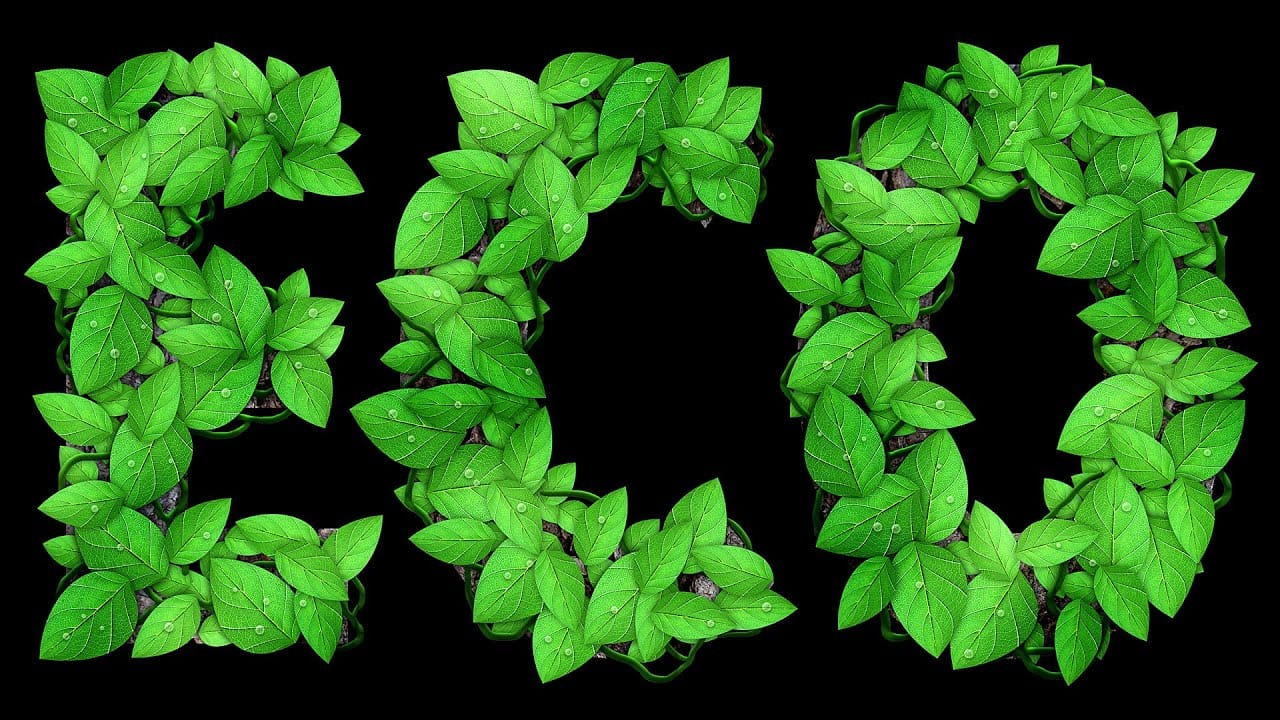
In this tutorial by Spoon Graphics, you'll learn how to create a text covered with leaves in Adobe Photoshop. The tutorial guides you through the process of designing text made up of tiny leaves, vines, and water droplets. While the tools and techniques used are straightforward, the tutorial emphasizes the importance of patience in achieving a complex and detailed final result. The outcome is a stunning and intricate piece of eco-themed artwork that showcases the beauty of nature. Watch tutor
Create a cool text portrait in Photoshop
Creating a text portrait in Photoshop is a sophisticated blend of photography and typography. In this tutorial by Marty from Blue Lightning TV, you'll learn how to transform a standard photo into a powerful typographic portrait. Starting with an optimal photo choice, Marty guides you through desaturating the image, refining the subject's edges, and setting up a new document. The tutorial then delves into the core process of integrating text, adjusting brightness and contrast for maximum impact,
How to Create a Rusty, Vintage Tin Sign in Photoshop
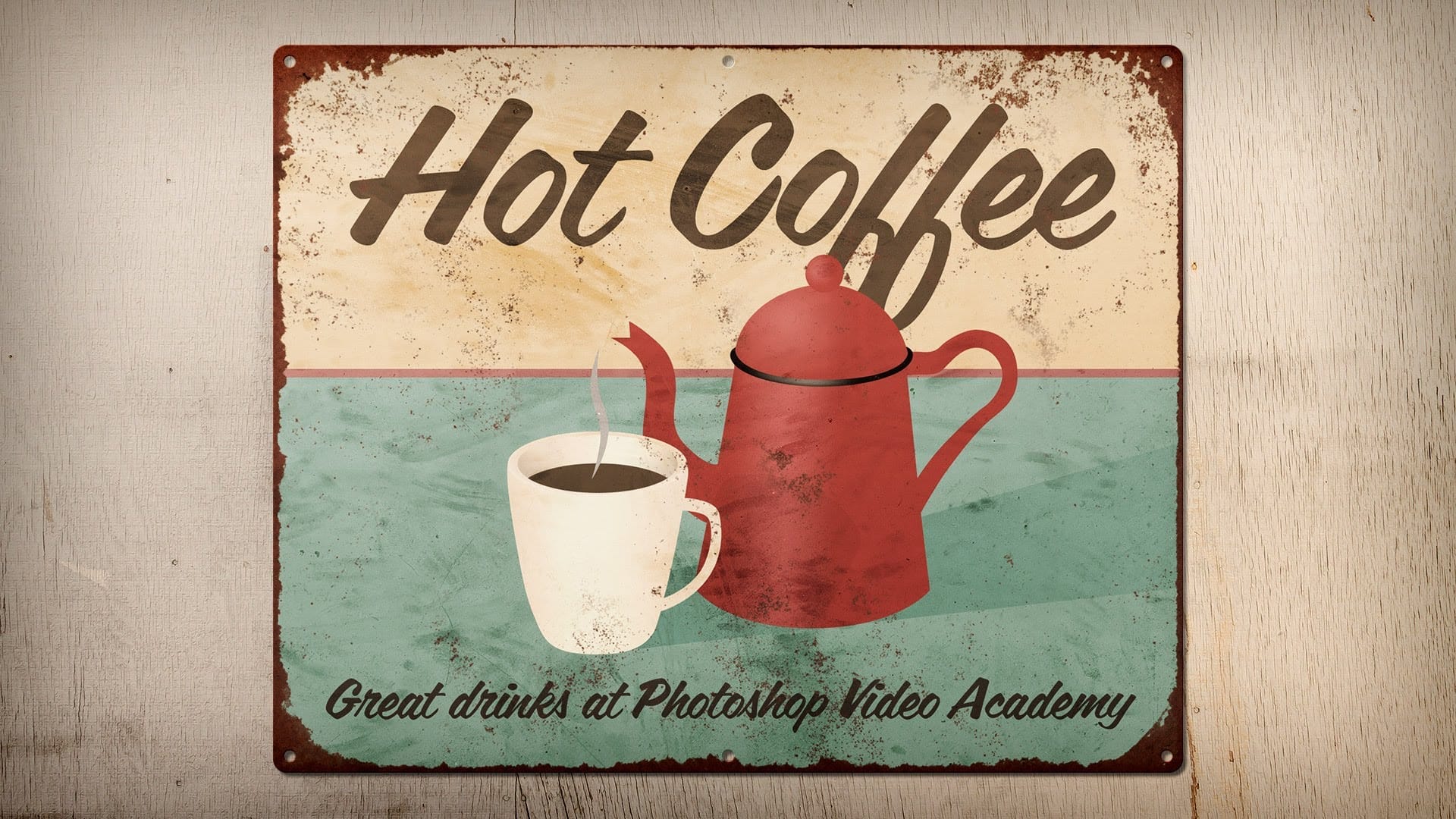
This video will teach you how to create a rusty, vintage tin sign in Photoshop where you can swap out the artwork at any time without destroying any of the effects.
Create a Photo Text Splash Effect in Photoshop
This tutorial offers a straightforward approach to creating a photo text splash effect in Photoshop. You'll learn to combine various techniques, such as layer masking and clipping masks, to achieve a unique design that features a photo seamlessly integrated into your text. The process starts with setting up your text and choosing the right photo. You'll explore how to use custom paint splash brushes to add dynamic visual interest. By following along, you’ll gain a clearer understanding of how t

Get tutorials & freebies delivered to you.

Subscribe to the Photoshop Roadmap newsletter, a weekly roundup of new tutorials, insights and quality downloads, trusted by 6500+ readers.

You might also like

How to Use AI Masking in Adobe Camera Raw for Professional Photo Editing

Adobe Camera Raw's AI masking tools automatically detect subjects, backgrounds, skies, and landscapes, letting you make precise adjustments to specific areas of your photos. These intelligent masks eliminate the need for manual selection work, while allowing you to combine and refine them for complete creative control. The technique...

How to Remove Objects from Photos Using AI Tools in Photoshop

Photoshop's AI-powered object removal tools can eliminate unwanted distractions from your photos with minimal effort. The Remove Tool and Generative Fill feature automated detection for common distractions like people and wires, plus manual painting options for custom removals. These tools work on separate layers, preserving your original image...

Speed Up Your Color Grading Workflow with Photoshop Actions

Color grading can transform your images, but manually adjusting curves and levels for every photo takes time. Photoshop actions offer a faster approach by applying professional color treatments with a single click. This workflow uses pre-built actions, tints, and LUTs to achieve various moods and styles instantly, letting you layer...

7 Essential Tips for Speed Painting in Digital Art

Speed painting isn't just about working faster—it's about eliminating friction from your creative process. These seven techniques help you get ideas onto canvas quickly without getting bogged down in unnecessary decisions or premature details. Whether you're exploring concepts for professional work or personal...

Professional Color Grading Techniques in Photoshop

Color grading transforms ordinary photos into compelling images with professional mood and atmosphere. These non-destructive techniques let you adjust tones, enhance specific colors, and create cinematic looks while preserving your original image data. Master these four essential color grading methods to develop a consistent editing workflow that elevates your photography....

How to Save Cut-Out Elements with Transparent Backgrounds in Photoshop

Creating seamless photo composites requires properly saving cut-out elements with transparent backgrounds. Whether you're extracting people, objects, or other elements for later use, the file format you choose determines how easily you can place these elements into new scenes. Two main approaches work best: saving as PSD files...

You’ve successfully subscribed to Photoshop Roadmap
Welcome back! You’ve successfully signed in.
Great! You’ve successfully signed up.
Success! Your email is updated.
Your link has expired
Success! Check your email for magic link to sign-in.