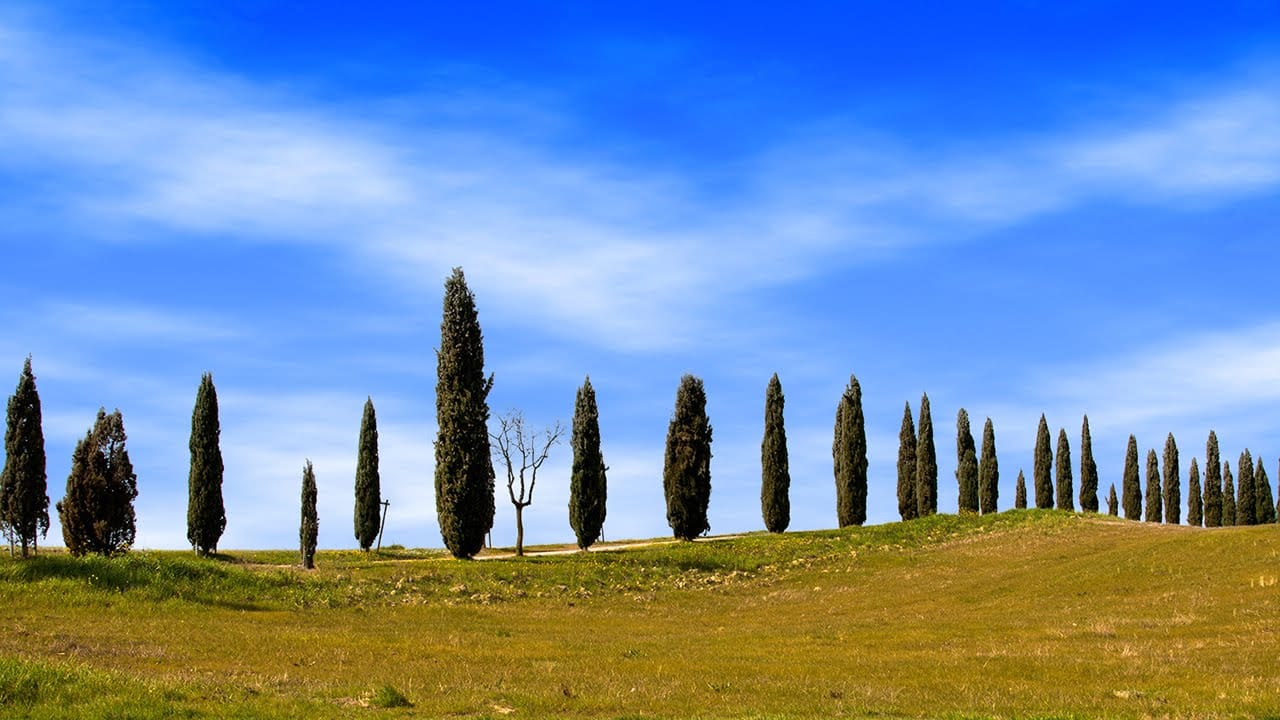
How To Easily Change The Sky In Photoshop

How To Easily Change The Sky In Photoshop

Transforming the mood and visual impact of a photograph often begins with its sky. A drab or overexposed sky can diminish the overall appeal of an otherwise great image, leaving it feeling flat or uninspired. Replacing the sky can dramatically enhance the scene, introducing vibrant colors, dramatic clouds, or a serene atmosphere.

This tutorial provides a straightforward method for updating skies in Photoshop, allowing creators to effortlessly blend new atmospheric elements into their photos. It simplifies a complex editing task, ensuring cohesive and visually stunning results for any landscape or outdoor scene.

Watch the Video

Video by Brendan Williams. Any links or downloads mentioned by the creator are available only on YouTube

Enhancing Visual Cohesion with Sky Adjustments

The sky plays a critical role in establishing the overall tone and lighting of an image. When replacing a sky, careful consideration of how the new element integrates with the existing foreground is essential for maintaining visual cohesion. Simply swapping out one sky for another can result in an artificial appearance if not properly adjusted for lighting, color, and perspective.

Photoshop's sky replacement features go beyond mere substitution, offering tools to refine the blend between the new sky and the original scene. Parameters such as brightness, temperature, and scale allow for fine-tuning the sky's appearance to match the ambient conditions of the original photo. Furthermore, adjustments can be made to the foreground to reflect the new sky's light and color, enhancing the sense of realism.

Successfully integrating a new sky means addressing subtle details like reflections in water, which are not automatically generated by the primary tool. Manual adjustments for reflections and blurring can significantly improve the realism, ensuring that the entire image feels unified rather than a composite of disparate elements. This attention to detail elevates the quality of the final composite, making the transformation truly seamless.

Practical Tips for Sky Replacement

  • Use the Sky Replacement tool under the Edit menu for automated sky selection and replacement, saving time on manual masking.
  • Refine sky edges with the Shift Edge and Fade Edge sliders to improve the mask's blend, especially around intricate details.
  • Adjust sky brightness and temperature to match the original photo's lighting and mood for a cohesive look.
  • Set the output to New Layers in the Sky Replacement panel to retain editable adjustment layers for further customization.
  • Manually create reflections in water by duplicating the sky layer, flipping it vertically, and applying a perspective transform and blur for realism.

Explore more resources and techniques for transforming your images by mastering sky replacement in various scenarios.

Add clouds to a sky in Photoshop
In this Photoshop tutorial by Phlearn, you’ll learn how to replace the sky in an image, ensuring it complements the original photo in terms of color, contrast, and tone. Start by using the Move Tool to drag and drop the new sky onto your image, then turn off the layer. Select the old sky using a selection tool like the Magic Wand Tool. Once the selection is refined, turn the new sky layer back on and click the Layer Mask button to mask in just the sky. Unlink the layer from its mask to position
Use Simple Selection Tools to Replace a Sky in Photoshop
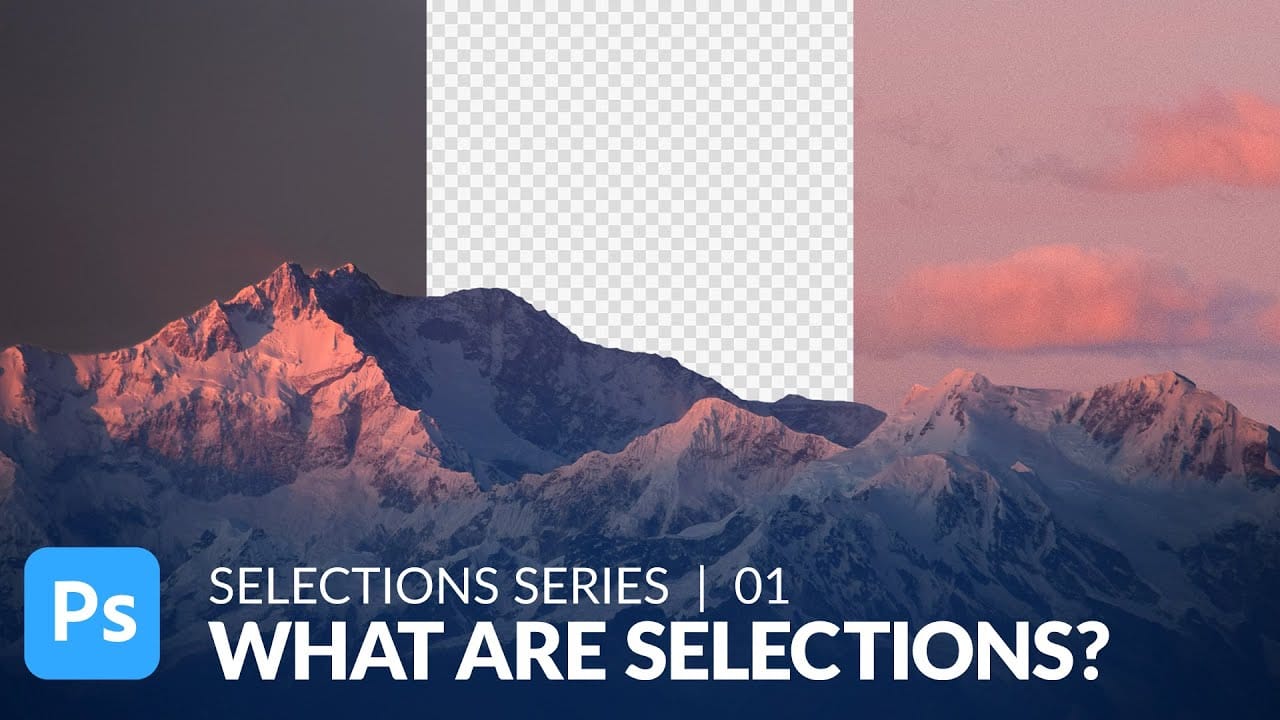
In this tutorial, Aaron Nace demonstrates how to effectively use basic selection tools in Photoshop to replace the sky in landscape photos. Selections are crucial for isolating specific areas in your image, and this tutorial breaks down their fundamental functions and applications. Aaron guides you through the process of making precise selections to isolate the sky from the rest of the image. He then shows you how to seamlessly replace it with a new sky, enhancing the overall mood and impact of
Learn how to replace the sky in a landscape photo
Photography often presents challenges with lighting conditions, especially when a bright sky overexposes and loses detail. Replacing a sky can dramatically transform the mood and visual impact of an image, turning a washed-out scene into a captivating landscape. This video tutorial demonstrates a comprehensive method for replacing a sky in Photoshop, guiding viewers through the process of selecting, refining, and integrating a new, vibrant blue sky complete with custom-rendered clouds. Watch
Create colorful dramatic skies with a simple blending trick in Photoshop
In this Photoshop tutorial by Unmesh Dinda from PiXimperfect you will learn how to extract amazing details from the sky, bring out the clouds, and add brilliant colors just using the Blend If sliders in Photoshop. Learn how to add drama, mood, and details to your skies by utilizing the power of Blending Options, Blend Modes, and Layers. In this video, we will simply paint the sky with the colors we desire and the details will simply follow. Whether you want to add the colorful sunset lights or

Member discussion

Get tutorials & freebies delivered to you.

Subscribe to the Photoshop Roadmap newsletter, a weekly roundup of new tutorials, insights and quality downloads, trusted by 6500+ readers.

You might also like

How to Use AI Masking in Adobe Camera Raw for Professional Photo Editing

Adobe Camera Raw's AI masking tools automatically detect subjects, backgrounds, skies, and landscapes, letting you make precise adjustments to specific areas of your photos. These intelligent masks eliminate the need for manual selection work, while allowing you to combine and refine them for complete creative control. The technique...

How to Remove Objects from Photos Using AI Tools in Photoshop

Photoshop's AI-powered object removal tools can eliminate unwanted distractions from your photos with minimal effort. The Remove Tool and Generative Fill feature automated detection for common distractions like people and wires, plus manual painting options for custom removals. These tools work on separate layers, preserving your original image...

Speed Up Your Color Grading Workflow with Photoshop Actions

Color grading can transform your images, but manually adjusting curves and levels for every photo takes time. Photoshop actions offer a faster approach by applying professional color treatments with a single click. This workflow uses pre-built actions, tints, and LUTs to achieve various moods and styles instantly, letting you layer...

7 Essential Tips for Speed Painting in Digital Art

Speed painting isn't just about working faster—it's about eliminating friction from your creative process. These seven techniques help you get ideas onto canvas quickly without getting bogged down in unnecessary decisions or premature details. Whether you're exploring concepts for professional work or personal...

Professional Color Grading Techniques in Photoshop

Color grading transforms ordinary photos into compelling images with professional mood and atmosphere. These non-destructive techniques let you adjust tones, enhance specific colors, and create cinematic looks while preserving your original image data. Master these four essential color grading methods to develop a consistent editing workflow that elevates your photography....

How to Save Cut-Out Elements with Transparent Backgrounds in Photoshop

Creating seamless photo composites requires properly saving cut-out elements with transparent backgrounds. Whether you're extracting people, objects, or other elements for later use, the file format you choose determines how easily you can place these elements into new scenes. Two main approaches work best: saving as PSD files...

You’ve successfully subscribed to Photoshop Roadmap
Welcome back! You’ve successfully signed in.
Great! You’ve successfully signed up.
Success! Your email is updated.
Your link has expired
Success! Check your email for magic link to sign-in.