How to combine multiple images in Photoshop instantly

How to combine multiple images in Photoshop instantly

Working with multiple image files often means juggling numerous open windows, a common challenge when compiling visual research, mood boards, or design layouts. Manually combining these images into a single document can quickly become tedious and inefficient.

This guide presents a powerful method for consolidating all open images into one layered Photoshop document. It demonstrates how to automate this process and offers an essential tip for quickly closing the original individual files, transforming a multi-step task into a few efficient clicks.

Watch the Tutorial

Video by photoshopCAFE. Any links or downloads mentioned by the creator are available only on YouTube

Streamlining Your Photoshop Workflow with Stacks

Creative projects often involve gathering numerous visual assets, from compiling mood boards to preparing design layouts. Managing these images efficiently is crucial, as manually combining many open files into a single document can quickly become a repetitive and time-consuming task.

Photoshop offers intelligent features designed to streamline such workflows. The Scripts > Load Files into Stack command is a prime example, automating the process of consolidating multiple open images. Each selected image is automatically placed onto its own layer within a newly created document, transforming a tedious manual operation into an efficient, automated process.

This powerful script not only saves significant time but also helps maintain an organized workspace. By leveraging such built-in automation, users can shift their focus from administrative file management to more creative and design-oriented tasks, enhancing overall productivity.

Practical Tips for Combining Images

  • Avoid the inefficient method of manually dragging individual image tabs into another document to combine them, especially when working with many files.
  • Utilize File > Scripts > Load Files into Stack to automatically consolidate multiple open images into one new document, with each image placed on its own layer.
  • Within the Load Layers dialog, select the Add Open Files option to quickly include all currently opened documents in your stacking operation.
  • After your new document is created, right-click its tab and choose Close Others to instantly close all other open image windows, keeping your workspace tidy.

More Tutorials about Combining Images in Photoshop

Explore additional resources to further enhance your skills in merging and blending photos within Photoshop.
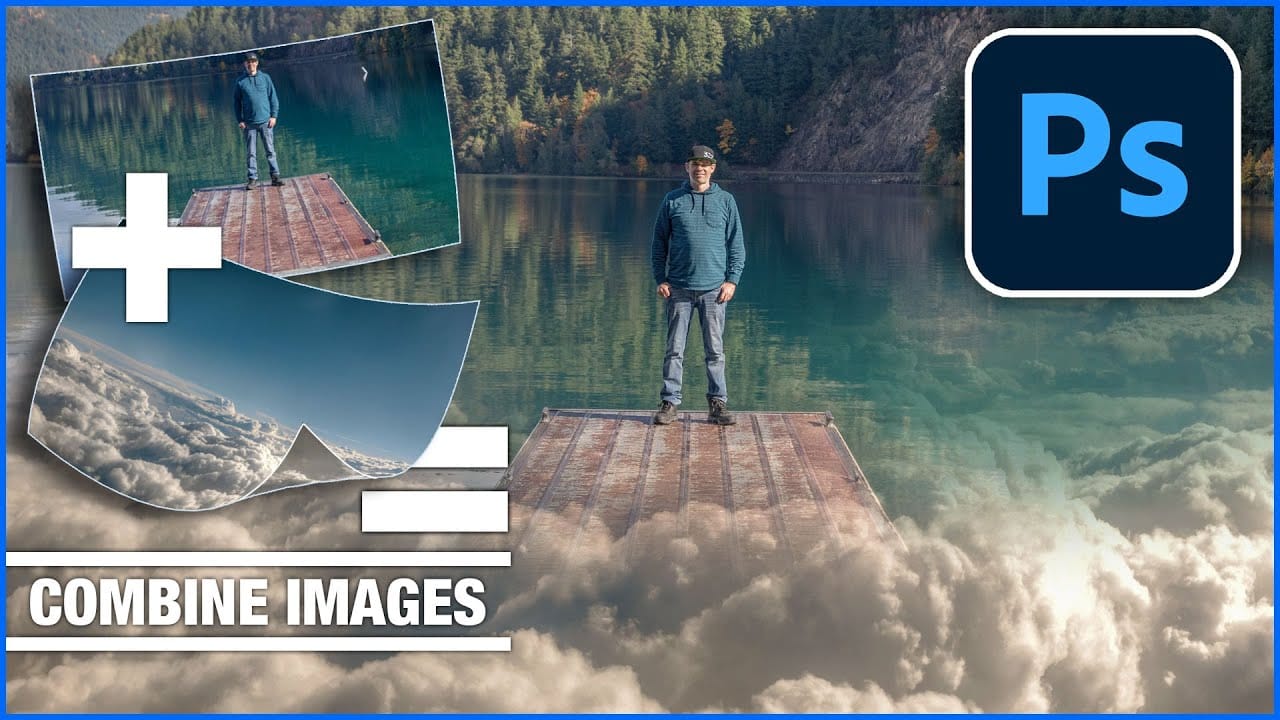
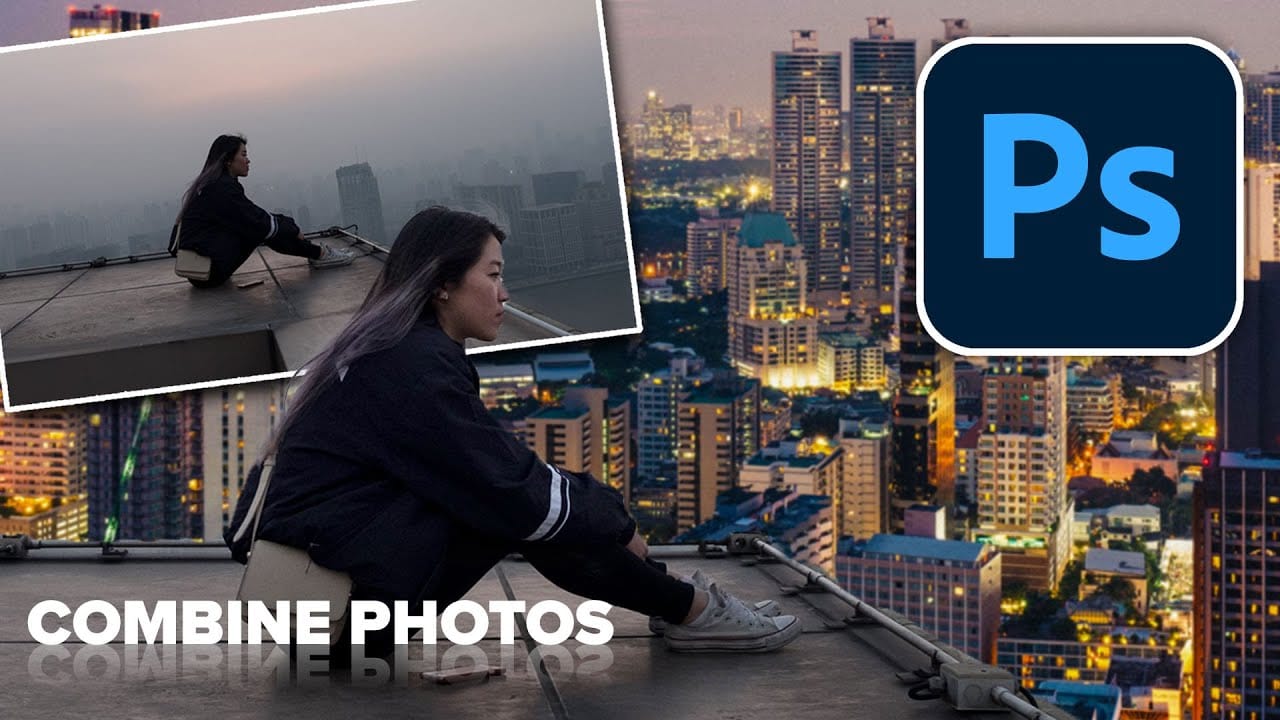
How to combine and blend photos in Photoshop
In this tutorial, Colin Smith from Photoshop Cafe demonstrates effective techniques for combining and blending multiple photos in Photoshop. You'll learn two distinct methods for merging images, allowing you to seamlessly integrate different elements into a cohesive composition. Colin also covers four advanced techniques for blending layers together, helping you achieve smooth transitions and harmonious effects. These techniques are essential for creating compelling visuals where multiple image
How to combine and blend photos in Photoshop
In this tutorial by Colin Smith from Photoshop Cafe, you'll explore various methods to seamlessly combine and blend photos in Photoshop. Colin covers the basics of getting photos into Photoshop and demonstrates different techniques for layering and blending images. The tutorial provides practical guidance on how to integrate multiple photos into a cohesive composition. Whether you’re working with selections or blending layers directly, you’ll learn how to achieve smooth transitions and create v
3 Creative ways to combine photos in Photoshop
In this tutorial, Colin Smith explores three innovative methods to combine photos in Photoshop. Whether you are creating composites or collages, these techniques will help you blend images together seamlessly. Colin demonstrates how to merge photos using layer masks, blending modes, and adjustment layers. These foundational skills are essential for creating striking and cohesive composites. By mastering these techniques, you can enhance your creativity and produce stunning visual effects. You'
Merge two photos in just a few clicks using Photoshop’s Generative Fill
Photoshop Training Channel presents a helpful guide for blending multiple images together with ease. Generative Fill is one of Photoshop’s most powerful but underutilized tools, and in this video PTC shows users how they can take advantage of its full capabilities. Through a simple step-by-step process, viewers will learn how to use Generative Fill to automatically composite numerous photos into a single cohesive image. Presented in PTC’s clear training style, photographers and image editors of

Get tutorials & freebies delivered to you.

Subscribe to the Photoshop Roadmap newsletter, a weekly roundup of new tutorials, insights and quality downloads, trusted by 6500+ readers.

You might also like

Create a Liquid Gel Logo Effect in Photoshop

Liquid gel effects transform flat logos into dimensional, glossy designs that appear to bubble and flow. This technique uses multiple layer styles and strategic duplication to build depth, creating surfaces that catch light like thick, viscous liquid. The method combines gradient overlays, bevel effects, and inner glows across several duplicated...

How to Use Photoshop's AI Sharpen Filter and When It's Worth the Cost

Photoshop's new AI Sharpen filter promises one-click sharpening powered by advanced algorithms. This tool uses technology from Topaz Labs to enhance image details without manual adjustments, but it comes with a significant cost in credits. Understanding when to use this automated approach versus traditional methods like the High...

How to Use Harmonize and Generative Upscale Tools in Photoshop

Creating realistic photo composites requires matching lighting and color between different images—a traditionally time-consuming process. Two new AI-powered tools in Photoshop solve these challenges: Harmonize automatically adjusts lighting and shadows to blend subjects seamlessly into backgrounds, while Generative Upscale enlarges small images without losing detail. These tools work together...

How to Create Convincing Scale Effects in Photoshop Composites

Creating believable scale effects requires more than simply resizing objects—it demands understanding how light, perspective, and atmospheric conditions change with distance. When tiny subjects appear massive or giant objects seem miniature, viewers should feel the illusion is completely natural. This technique combines careful attention to lighting consistency, depth cues,...

How to Flip Images Horizontally and Vertically in Photoshop

Flipping images is a fundamental technique that can dramatically change the composition and impact of your photos. Whether you need to correct the orientation of a subject, create mirror effects, or simply improve the visual flow of your design, knowing how to quickly flip images both horizontally and vertically gives...

How to Use Nano Banana Pro in Photoshop for Background Replacement and Scene Changes

Nano Banana Pro transforms how you place subjects into new environments in Photoshop. This advanced AI model maintains perfect subject likeness while seamlessly integrating them into any background you can imagine. The tool excels at matching lighting, preserving facial features, and even adapting clothing to complement new scenes, all through...

You’ve successfully subscribed to Photoshop Roadmap
Welcome back! You’ve successfully signed in.
Great! You’ve successfully signed up.
Success! Your email is updated.
Your link has expired
Success! Check your email for magic link to sign-in.