How to Make a Scary Dungeon Wall in Photoshop

How to Make a Scary Dungeon Wall in Photoshop

Horror and macabre art often rely on textures and effects to convey a sense of decay and dread. One of the most effective elements is the rusted chain, suggesting confinement, age, and neglect. Learning to create this effect can significantly enhance your digital art, lending an authentic and chilling feel to your projects.

This Photoshop tutorial demonstrates how to construct realistic rusted chains from scratch. By mastering these techniques, you can add a haunting touch to any visual narrative, making your work more compelling and immersive.

Watch the Video

Video by Blue Lightning. Any links or downloads mentioned by the creator are available only on YouTube

The Psychology of Rust in Art

Rust transcends mere visual texture; it evokes deep-seated psychological responses. The sight of rust often implies neglect, decay, and the passage of time. In art, this translates to a powerful tool for conveying themes of abandonment, horror, and the relentless march of entropy. The color palette, ranging from dull oranges to deep browns, adds to the somber, unsettling effect. By understanding these associations, artists can wield rust as a potent symbol.

The *tactile* quality of rust—its rough, uneven surface—further enhances its symbolic weight. This invites a sensory engagement, making the decay feel almost tangible. In digital art, replicating this texture requires careful attention to detail, from color variations to subtle distortions. The goal is to create an illusion so convincing that viewers can almost feel the corroded surface. Consider these elements when designing rusted elements:

  • Texture
  • Color
  • Form

Practical Tips for Creating Rusted Chains

  • Use Rounded Rectangles: Start with rounded rectangles to form the basic links of the chain, ensuring a consistent shape before applying effects.
  • Apply Bevel and Emboss: Enhance the three-dimensionality of the chains by using the Bevel and Emboss effect, adjusting the depth and size to create a realistic appearance.
  • Incorporate Rust Textures: Overlay rust textures using blend modes like Multiply and Darker Color to infuse the chain with authentic corrosion details.
  • Create Layer Masks: Use layer masks to seamlessly blend rust textures with the chain links, removing harsh edges and ensuring a natural integration.
  • Add Subtle Shadows: Introduce subtle shadows beneath the horizontal chain links to ground the object and enhance the overall depth of the composition.

Expand your skills and explore similar techniques with these hand-picked tutorials and articles, designed to inspire your next creative project.

Create a Colorful Graffiti on a Grungy Brick Wall in Photoshop
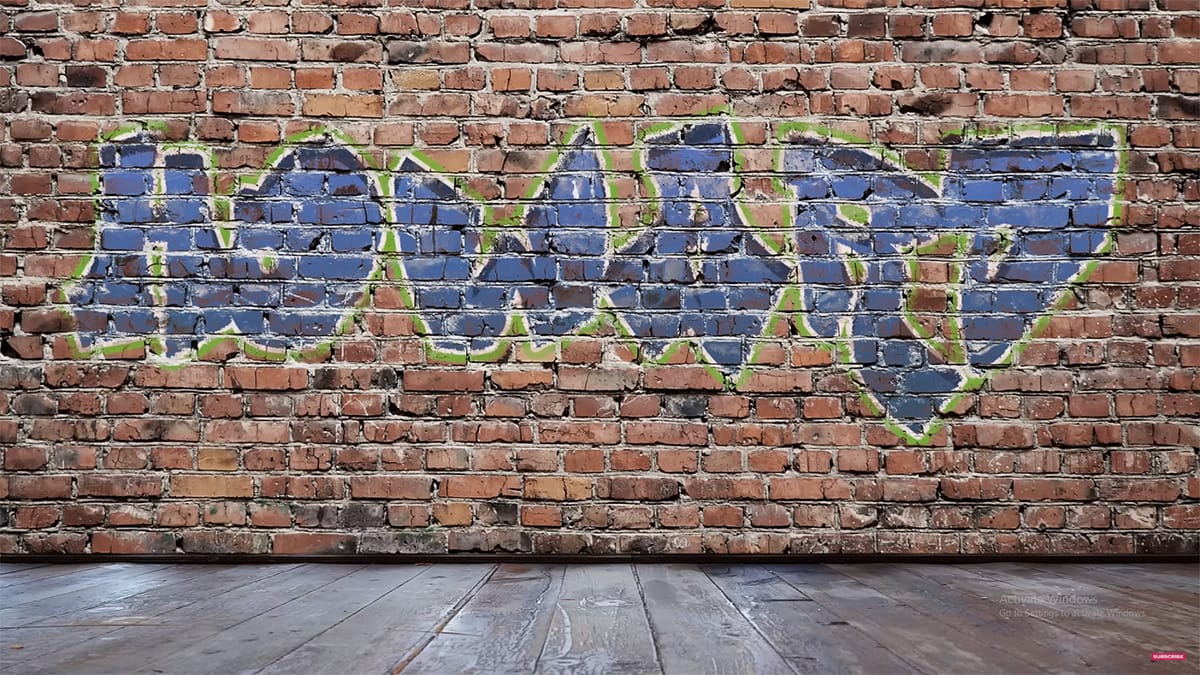
Graffiti text in Photoshop has been a popular request over the years. In this tutorial, Howard Pinsky demonstrates how to create vibrant graffiti on a grungy brick wall using Layer Styles, a displacement map, and Layer blending modes. This tutorial is designed to show just how simple it is to achieve a striking graffiti effect, making it accessible even for beginners. Follow along to bring your graffiti art to life with vivid colors and realistic textures. Watch tutorial
Create a Cute and Scary Children’s Illustration in Photoshop
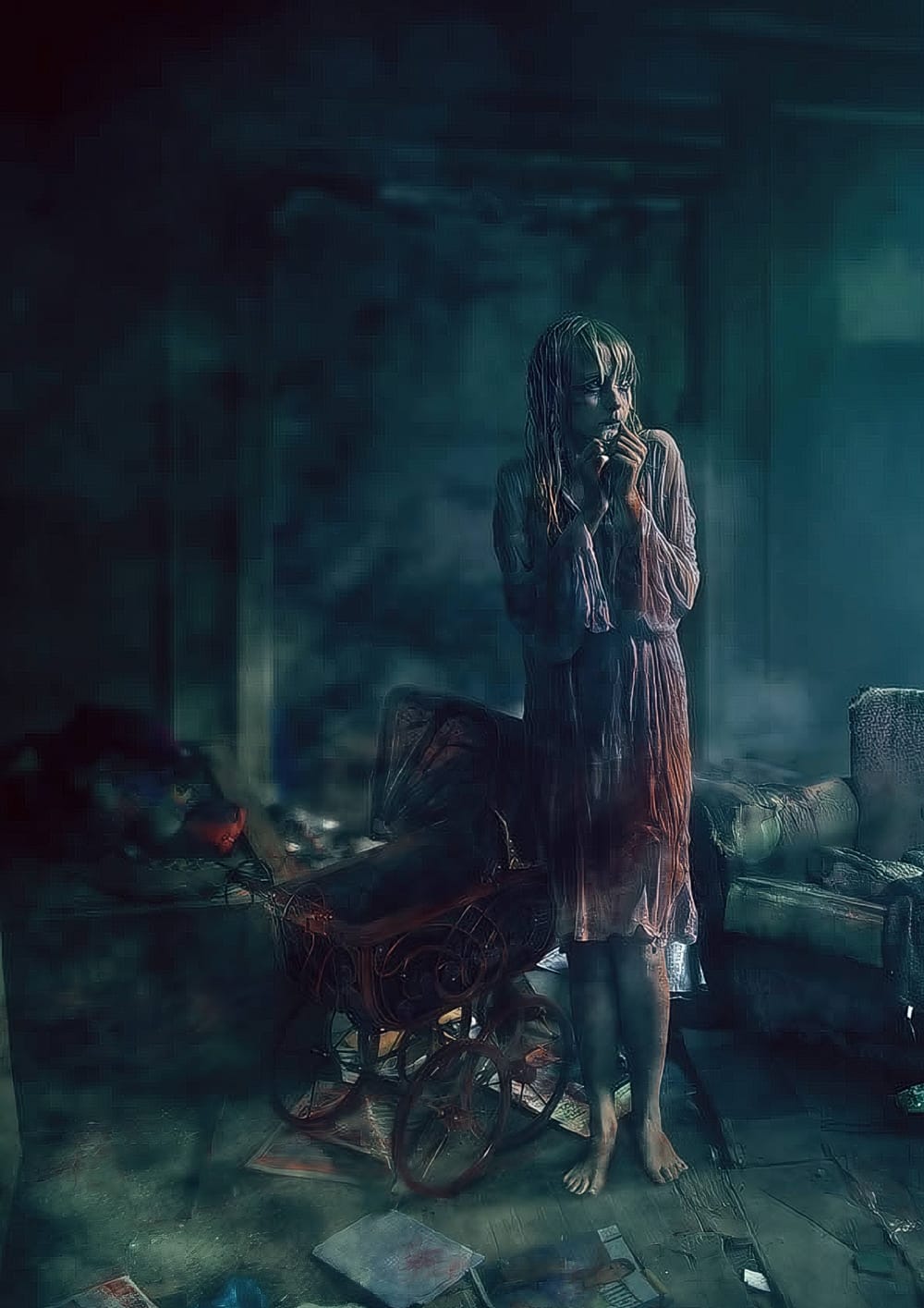
As the fall approaches in many parts of the world, many designers and illustrators might already be thinking about the upcoming Halloween holiday, especially those that are based in the U.S. In this tutorial, we will show you how to illustrate a cute and scary children’s illustration using techniques that you could easily incorporate into your own Halloween artwork. Watch tutorial
Learn how to freak people out in Photoshop
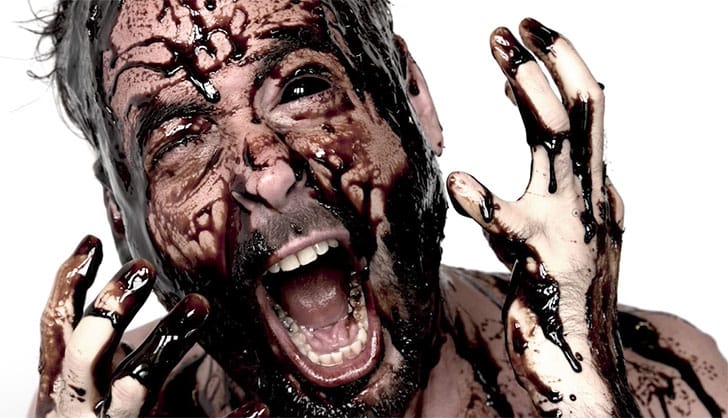
In this tutorial, follow along during a photoshoot where Aaron Nace’s head gets black liquid poured on. Aaron then takes the image into Photoshop for finishing touches to get the proper lighting to black out his own eyes. The key to making a black eye ball look believable in Photoshop is lighting. Be sure your subject is facing a large window or other lighting source that will create light reflections in their eyes. If there is no reflection in the person’s eye, the effect will look flat and li
Create a Horror Scene Photo Composition in Photoshop
In this engaging tutorial, Mario Sanchez Nevado from Tuts+ guides you through the process of creating a horror movie-themed photo composition in Photoshop. You'll learn how to choose the right photos and blend them together seamlessly to achieve a realistic and believable result. Key techniques covered include balancing light, using midtones, creating depth of field, and mastering blending methods. This tutorial is perfect for those looking to enhance their photo manipulation skills and create

Get tutorials & freebies delivered to you.

Subscribe to the Photoshop Roadmap newsletter, a weekly roundup of new tutorials, insights and quality downloads, trusted by 6500+ readers.

You might also like

Create a Liquid Gel Logo Effect in Photoshop

Liquid gel effects transform flat logos into dimensional, glossy designs that appear to bubble and flow. This technique uses multiple layer styles and strategic duplication to build depth, creating surfaces that catch light like thick, viscous liquid. The method combines gradient overlays, bevel effects, and inner glows across several duplicated...

How to Use Photoshop's AI Sharpen Filter and When It's Worth the Cost

Photoshop's new AI Sharpen filter promises one-click sharpening powered by advanced algorithms. This tool uses technology from Topaz Labs to enhance image details without manual adjustments, but it comes with a significant cost in credits. Understanding when to use this automated approach versus traditional methods like the High...

How to Use Harmonize and Generative Upscale Tools in Photoshop

Creating realistic photo composites requires matching lighting and color between different images—a traditionally time-consuming process. Two new AI-powered tools in Photoshop solve these challenges: Harmonize automatically adjusts lighting and shadows to blend subjects seamlessly into backgrounds, while Generative Upscale enlarges small images without losing detail. These tools work together...

How to Create Convincing Scale Effects in Photoshop Composites

Creating believable scale effects requires more than simply resizing objects—it demands understanding how light, perspective, and atmospheric conditions change with distance. When tiny subjects appear massive or giant objects seem miniature, viewers should feel the illusion is completely natural. This technique combines careful attention to lighting consistency, depth cues,...

How to Flip Images Horizontally and Vertically in Photoshop

Flipping images is a fundamental technique that can dramatically change the composition and impact of your photos. Whether you need to correct the orientation of a subject, create mirror effects, or simply improve the visual flow of your design, knowing how to quickly flip images both horizontally and vertically gives...

How to Use Nano Banana Pro in Photoshop for Background Replacement and Scene Changes

Nano Banana Pro transforms how you place subjects into new environments in Photoshop. This advanced AI model maintains perfect subject likeness while seamlessly integrating them into any background you can imagine. The tool excels at matching lighting, preserving facial features, and even adapting clothing to complement new scenes, all through...

You’ve successfully subscribed to Photoshop Roadmap
Welcome back! You’ve successfully signed in.
Great! You’ve successfully signed up.
Success! Your email is updated.
Your link has expired
Success! Check your email for magic link to sign-in.