Create an old-school halftone photo effect in Photoshop

Create an old-school halftone photo effect in Photoshop

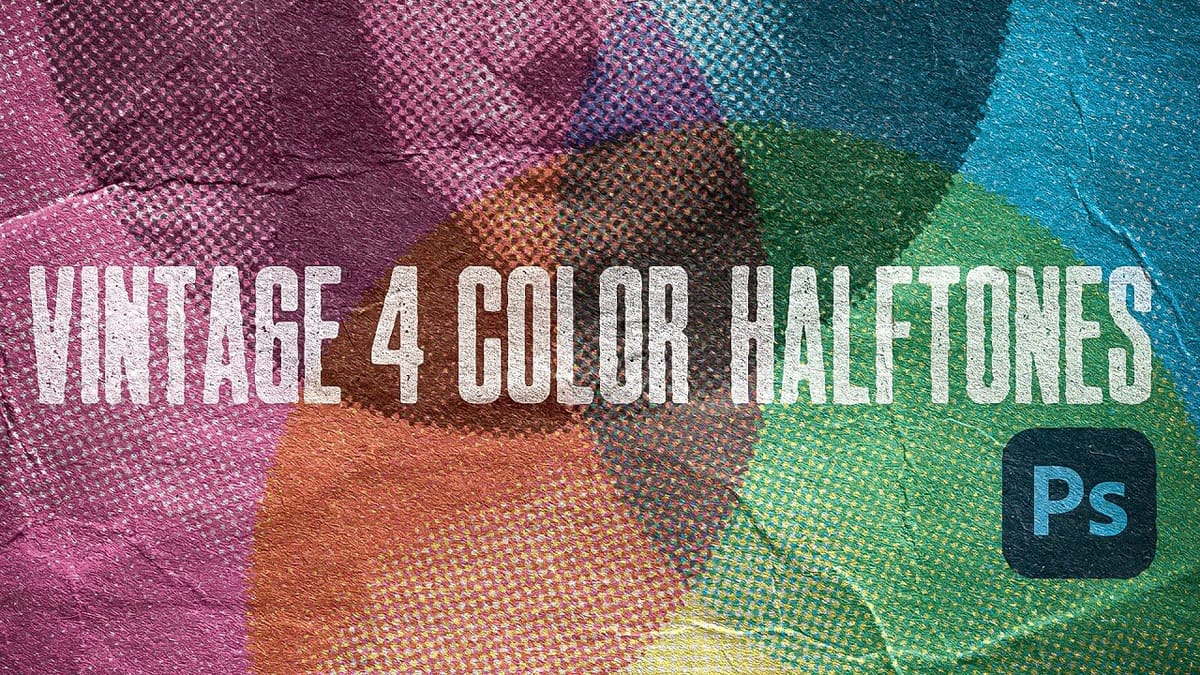
Creating authentic vintage halftone effects can be challenging when working with modern digital photography. Many designers struggle to achieve that classic print aesthetic without the result looking artificial or overdone.

This tutorial demonstrates a multi-layer approach to building realistic halftone vintage effects using threshold adjustments, pattern overlays, and selective masking. The technique creates depth and authenticity by working with multiple halftone variations rather than a single flat effect.

Watch the Tutorial

Any links or downloads mentioned by the creator are available only on YouTube

The Art of Digital Halftone Design

Halftone printing originated in the 1880s as a way to reproduce continuous-tone imagery using dots of varying sizes. This technique became the foundation of newspaper and magazine printing for over a century, creating the distinctive aesthetic we associate with vintage publications and pop art.

Digital halftone effects work best when they mimic the imperfections and variations of real printing processes. Rather than applying uniform dot patterns, effective vintage halftones incorporate multiple threshold levels, selective masking, and subtle lighting effects that suggest aged paper and worn printing plates.

The layered approach allows for greater control over different tonal ranges, with separate patterns for highlights, midtones, and shadows. This creates more convincing results than single-layer effects and provides flexibility for different source images.

Essential Halftone Effect Techniques

  • Use multiple threshold adjustments at different levels (80-90, 110, and 130-140) to create distinct tonal separations for your halftone patterns
  • Apply expand and feather selection modifications when masking subjects to ensure clean edges that work well with high-contrast halftone effects
  • Set layer fill to 0% when using pattern overlays to maintain full control over the effect intensity without affecting underlying adjustments
  • Experiment with color range selections on white and black areas to create precise masks for different halftone pattern applications
  • Combine glowing edges filter with screen blend mode and channel adjustments to add authentic vintage lighting effects

Explore additional techniques for creating retro and vintage photo effects in Photoshop.

Create Authentic Vintage Halftone Effects with Custom Patterns in Photoshop
Photoshop’s built-in Color Halftone filter creates rigid, geometric results that lack the authentic character of vintage print work. The filter also fails to produce true CMYK separations in RGB documents, missing the black channel entirely and creating an unconvincing simulation of traditional printing methods. This technique uses custom patterns and
Create awesome retro halftone effects in Photoshop
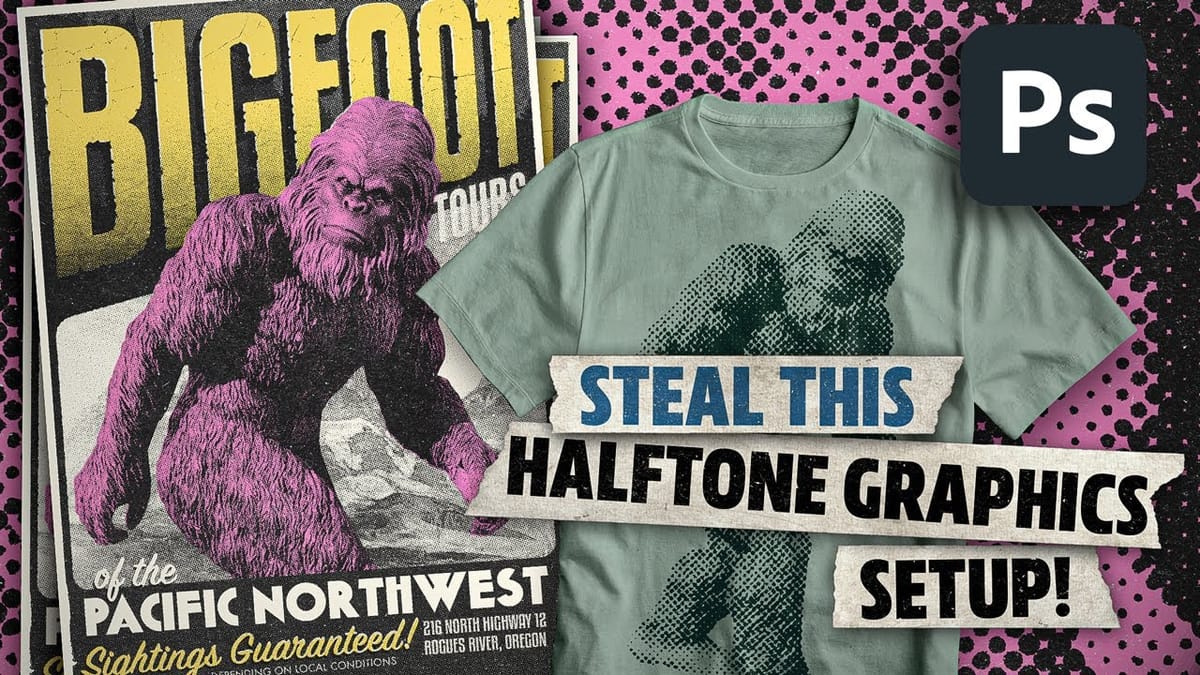
In this tutorial, I’ll run through the setup I use to create halftone effects in Photoshop. Great for posters, apparel, stickers, or just making cool retro-lookin stuff! This approach will bypass the halftone filters and create the effect from scratch, with the added benefit of being live and adjustable. In the second half of the […] More
Ultimate Halftone Effect in Photoshop
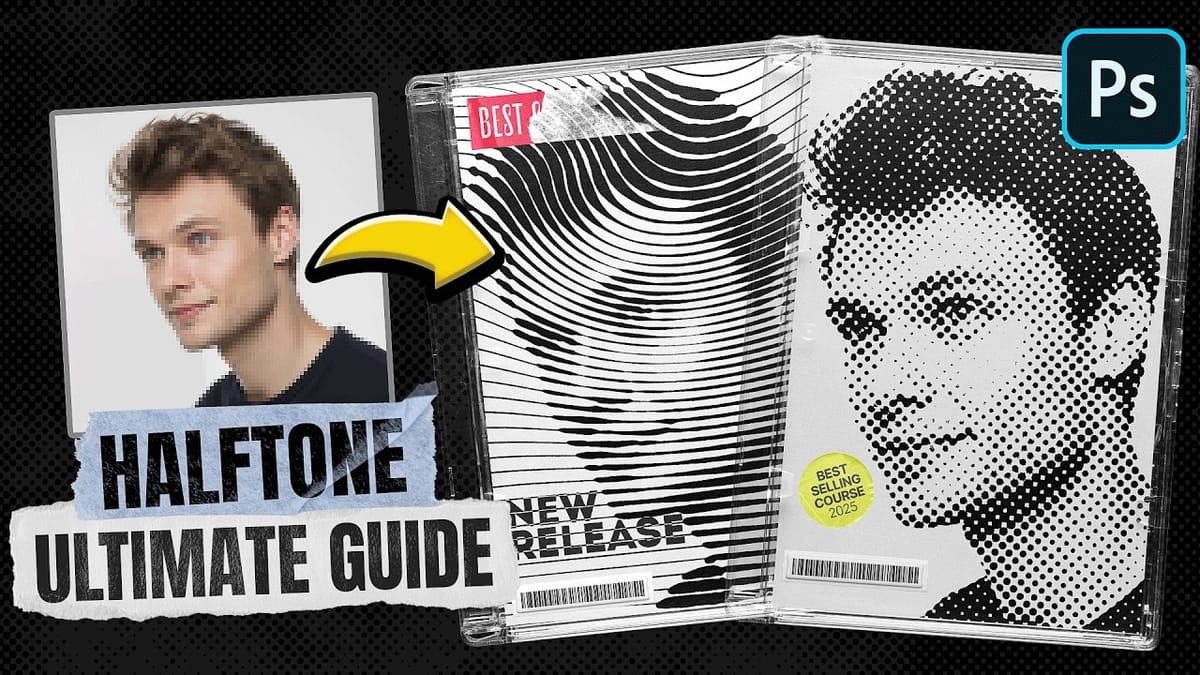
Learn how to create stunning halftone effects in Photoshop step by step with this comprehensive tutorial. Whether it’s a classic black-and-white halftone, a vibrant color halftone, or even a smooth gradient halftone, this guide will teach you everything you need to know. You’ll explore how to use the

Get tutorials & freebies delivered to you.

Subscribe to the Photoshop Roadmap newsletter, a weekly roundup of new tutorials, insights and quality downloads, trusted by 6500+ readers.

You might also like

How to Use Textures for Color Grading in Photoshop

Textures offer a powerful way to color grade images beyond traditional adjustment layers. By layering colored textures with specific blend modes, you can create unique tonal shifts, add visual depth, and achieve artistic looks that standard color correction can't match. This technique works by using the color information...

Complete Guide to Digital Photo Compositing in Photoshop

Creating fantasy digital artwork requires mastering the art of photo compositing, where multiple elements come together to form a cohesive scene. This comprehensive tutorial demonstrates how to build a dramatic composition featuring a wolf and human figure in a mystical nighttime setting. The process covers every aspect of professional compositing,...

Understanding Blend Modes, Curves, Channels, and Fill vs Opacity in Photoshop

Most users cycle through blend modes randomly or avoid the curves panel entirely, missing out on precise control over their edits. These fundamental tools become intuitive once you understand the logic behind their organization and function. This tutorial breaks down four essential concepts that separate casual users from confident editors:...

Complete Visual Storytelling Workflow Using Adobe Firefly Boards and Video Editor

Visual storytelling transforms abstract ideas into compelling narratives through a structured workflow from initial concept to finished video. Adobe Firefly Boards provides an integrated workspace where you can generate story concepts, create detailed storyboards, and produce animated video sequences without switching between multiple applications. This comprehensive approach demonstrates how generative...

Text to Image with Adobe Firefly: Complete Workflow Guide

Text to Image generation transforms simple descriptions into high-quality visuals through AI-powered tools. This workflow combines creative prompting with precise controls to produce everything from initial concepts to production-ready assets. The process requires both technical understanding and creative decision-making. Success comes from iterative refinement, strategic prompt construction, and knowing how...

How to Create Frame-by-Frame Animation in Photoshop

Frame-by-frame animation in Photoshop transforms static illustrations into dynamic looping sequences through hand-drawn motion. This technique combines traditional animation principles with digital drawing tools, creating smooth character movement using keyframes, in-betweens, and motion blur effects. The process begins with building a simple skeleton armature to map out primary motion, then...

You’ve successfully subscribed to Photoshop Roadmap
Welcome back! You’ve successfully signed in.
Great! You’ve successfully signed up.
Success! Your email is updated.
Your link has expired
Success! Check your email for magic link to sign-in.