Create a Text Burnt on Wood in Photoshop

Create a Text Burnt on Wood in Photoshop

Wood-burned designs evoke a rustic charm and handcrafted authenticity, transforming ordinary text or graphics into something uniquely compelling. This classic aesthetic brings a sense of tradition and warmth to any visual project, making it ideal for everything from logos to decorative art.

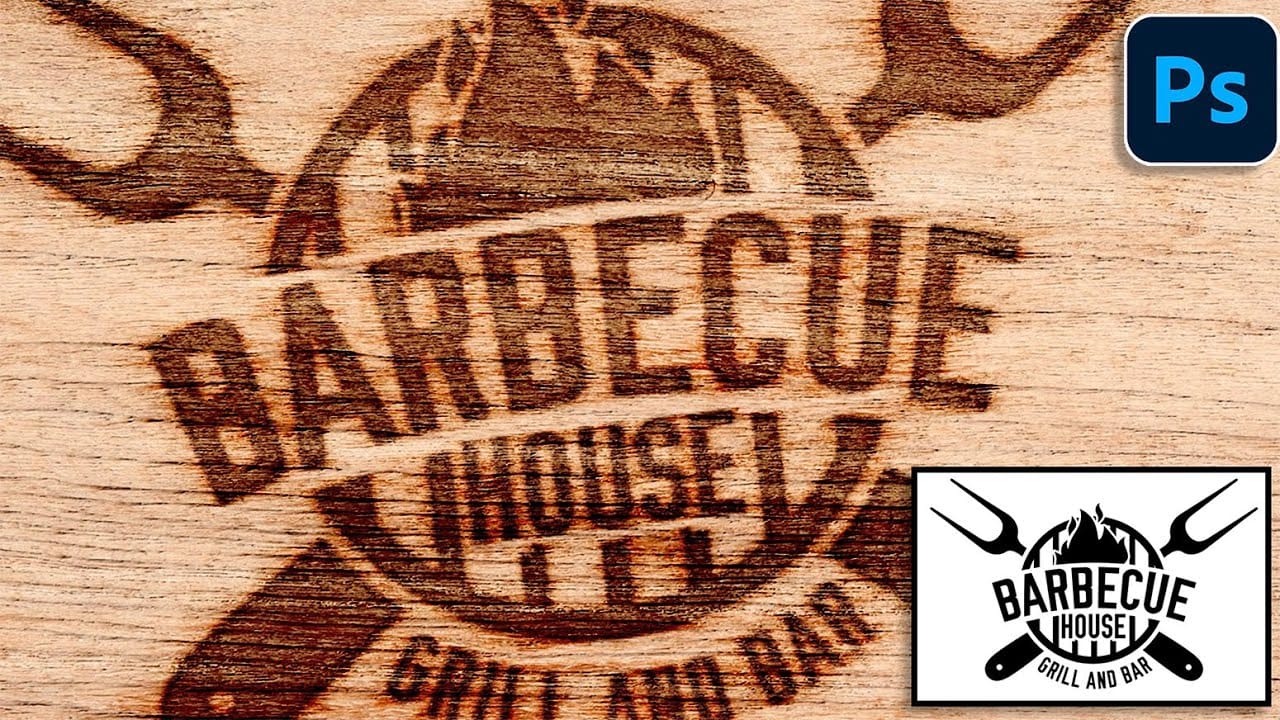
This video tutorial demonstrates how to achieve a realistic wood burn effect in Photoshop. It guides you through the process of applying charring, texture, and depth to your digital creations, allowing you to infuse your designs with this distinctive, time-honored look.

Watch the Video

Video by Blue Lightning. Any links or downloads mentioned by the creator are available only on YouTube

Unlocking the Craft of Digital Pyrography

Digital pyrography, or the art of simulating wood burning, offers a powerful way to infuse your designs with a tactile, handcrafted feel without needing physical tools. This technique bridges the gap between digital precision and the rustic warmth of traditional craftsmanship, making it perfect for custom logos, unique branding, or decorative text.

By carefully manipulating layers and applying specific Photoshop filters, artists can recreate the distinct charring and depth that characterize real wood branding. The versatility of this method allows for creative application on various wood textures, ensuring a convincing and authentic result. Understanding the interplay of filters and layer styles is key to mastering this distinct visual effect.

  • Precise text selection and expansion for defined edges.
  • Application of Gaussian Blur and Wind filters for a charred, textured look.
  • Strategic use of the Color Burn blend mode to deepen the effect.
  • Refinement of the burn's appearance with Bevel & Emboss layer styles.

Practical Tips for Creating a Wood Burn Effect

  • Adjust the Expand pixel amount (e.g., 15 pixels) to suit your text's size and resolution, ensuring a clear outline.
  • Invert the image (Ctrl/Command + I) before and after applying the Wind filter to achieve a consistent burn direction.
  • Refine the burn's intensity by adjusting the Output Black level in the Levels window (Ctrl/Command + L), such as setting it to 72.
  • Customize Bevel & Emboss settings, including depth (e.g., 50%), size (e.g., 20 pixels), and angle, based on your text's characteristics.
  • Experiment with Color Burn blend mode opacity (e.g., 60%) and Fill reduction (e.g., 40%) to control the overall intensity and depth of the burn.

More Tutorials about Wood Burning and Fire Effects

Explore additional resources to deepen your understanding of creating realistic fire and burning effects, enhancing your digital artistry with dynamic visual elements.
How to Create a Wood Burn Effect in Photoshop
Wood burning transforms simple text and graphics into rustic, branded designs that carry the authenticity of crafted woodwork. This timeless aesthetic connects digital art with traditional craftsmanship, creating visuals that feel both handmade and professional. Photoshop's layering and blending capabilities make it possible to simulate the charred, weathered appearance of wood burning without needing actual pyrography tools. The technique combines texture work, strategic blending modes, and ca
Create a Fire Burning Effect in Photoshop
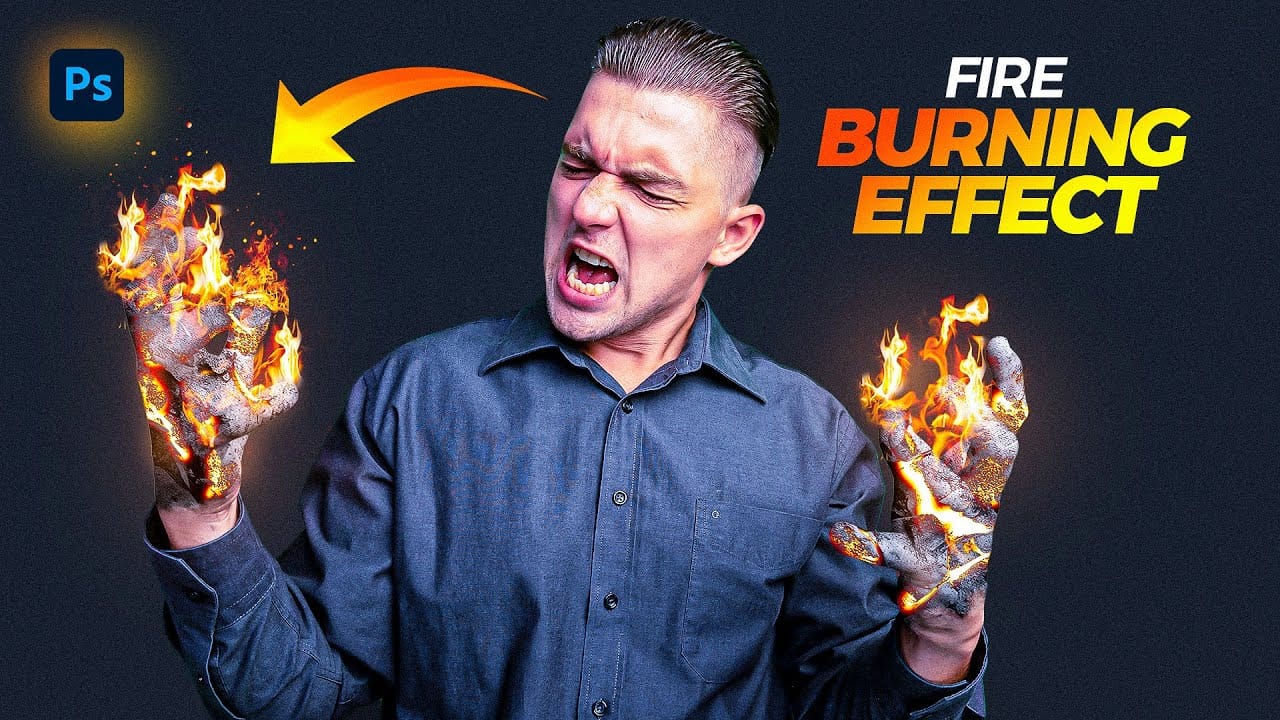
Creating a fire-burning effect in Photoshop is a fascinating process that can enhance your images dramatically. Start by setting up a new file with dimensions of 1920 x 1080 pixels. Import the necessary images, which can be found in the provided link. Duplicate your main layer using Ctrl + J, then convert it to black and white through the Image Adjustments menu by selecting Hue/Saturation and removing all saturation. Next, apply an inverted mask to the black and white layer. Use the brush tool
Apply a Burning Flames Effect to a Photo in Photoshop
In this tutorial by Neville D’Souza, you will learn how to take a simple model shot and transform it into a striking, dynamic piece of art that resembles a spitting, crackling beacon of fire. The tutorial guides you through the process using some of the most common tools available in Photoshop, showcasing techniques that allow you to create intricate and impressive effects. The author meticulously explains each step, ensuring you can follow along without the need for third-party plug-ins. By th
How to Create Flames in Photoshop
In this tutorial, Julieanne Kost walks you through the process of creating realistic flames in Photoshop. The tutorial simplifies the process into four manageable steps, making it accessible even for beginners. Kost starts by guiding you through the basics of setting up your workspace and selecting the right tools. She then demonstrates how to use different paths and brush settings to shape and control the flame effect. By adjusting various parameters, you can achieve a dynamic and realistic fl

Get tutorials & freebies delivered to you.

Subscribe to the Photoshop Roadmap newsletter, a weekly roundup of new tutorials, insights and quality downloads, trusted by 6500+ readers.

You might also like

How to Use AI Masking in Adobe Camera Raw for Professional Photo Editing

Adobe Camera Raw's AI masking tools automatically detect subjects, backgrounds, skies, and landscapes, letting you make precise adjustments to specific areas of your photos. These intelligent masks eliminate the need for manual selection work, while allowing you to combine and refine them for complete creative control. The technique...

How to Remove Objects from Photos Using AI Tools in Photoshop

Photoshop's AI-powered object removal tools can eliminate unwanted distractions from your photos with minimal effort. The Remove Tool and Generative Fill feature automated detection for common distractions like people and wires, plus manual painting options for custom removals. These tools work on separate layers, preserving your original image...

Speed Up Your Color Grading Workflow with Photoshop Actions

Color grading can transform your images, but manually adjusting curves and levels for every photo takes time. Photoshop actions offer a faster approach by applying professional color treatments with a single click. This workflow uses pre-built actions, tints, and LUTs to achieve various moods and styles instantly, letting you layer...

7 Essential Tips for Speed Painting in Digital Art

Speed painting isn't just about working faster—it's about eliminating friction from your creative process. These seven techniques help you get ideas onto canvas quickly without getting bogged down in unnecessary decisions or premature details. Whether you're exploring concepts for professional work or personal...

Professional Color Grading Techniques in Photoshop

Color grading transforms ordinary photos into compelling images with professional mood and atmosphere. These non-destructive techniques let you adjust tones, enhance specific colors, and create cinematic looks while preserving your original image data. Master these four essential color grading methods to develop a consistent editing workflow that elevates your photography....

How to Save Cut-Out Elements with Transparent Backgrounds in Photoshop

Creating seamless photo composites requires properly saving cut-out elements with transparent backgrounds. Whether you're extracting people, objects, or other elements for later use, the file format you choose determines how easily you can place these elements into new scenes. Two main approaches work best: saving as PSD files...

You’ve successfully subscribed to Photoshop Roadmap
Welcome back! You’ve successfully signed in.
Great! You’ve successfully signed up.
Success! Your email is updated.
Your link has expired
Success! Check your email for magic link to sign-in.