3 Creative ways to combine photos in Photoshop

3 Creative ways to combine photos in Photoshop

Transforming ordinary photographs into extraordinary visual narratives is a hallmark of creative design. Combining images effectively allows for the creation of unique composites and engaging collages, opening a world of artistic possibilities. This process lets designers express complex ideas or simply enhance visual appeal by integrating diverse elements.

Discover how to merge multiple photos seamlessly within Photoshop, creating dynamic and imaginative compositions. The techniques covered demonstrate how to blend images with precision, achieving polished results that captivate and inspire, moving beyond basic layering to advanced integration.

Watch the Video

Video by photoshopCAFE. Any links or downloads mentioned by the creator are available only on YouTube

Exploring the Art of Image Merging

Combining photographs in Photoshop extends beyond merely placing one image on top of another. It involves an artistic approach to blending and integration.

Designers often seek to create a unified visual story from disparate elements. This process relies on a deep understanding of light, shadow, and color harmony. The goal is to make the combined images appear as if they naturally belong together, rather than looking like an obvious cut-and-paste job.

Achieving this seamless effect requires consideration of several key factors:

• Perspective alignment
• Resolution matching
• Overall mood consistency
• Lighting direction
• Color temperature balance

Blending techniques leverage Photoshop's powerful tools to manipulate how pixels interact. This allows for the subtle merging of textures and tones. The result creates an illusion of depth and realism, which is essential for compelling visual storytelling.

The strategic use of masks, blend modes, and advanced blending options provides unparalleled control over the merging process. These tools enable selective visibility and interaction between layers. This allows artists to fine-tune the integration of each element.

Mastering these techniques transforms simple image combinations into sophisticated, visually captivating works.

Practical Tips for Blending Photos

  • Use Free Transform (Ctrl/Cmd T) to scale and position images; hold Alt/Option to scale from the center and Shift to maintain aspect ratio.
  • Experiment with Layer Blend Modes like Screen or Lighten to quickly hide dark areas and merge images based on luminosity.
  • Apply a Layer Mask and use the Gradient Tool (black to white) to create smooth, gradual transitions between combined photos.
  • Refine layer masks with a soft brush, painting with black to hide and white to reveal specific areas for precise control.
  • Utilize Blend If sliders in Blending Options, holding Alt/Option to split the slider and create a smoother, more sophisticated luminosity blend.

Explore additional resources to deepen your understanding of photo manipulation and composite creation in Photoshop.
How to combine and blend photos in Photoshop
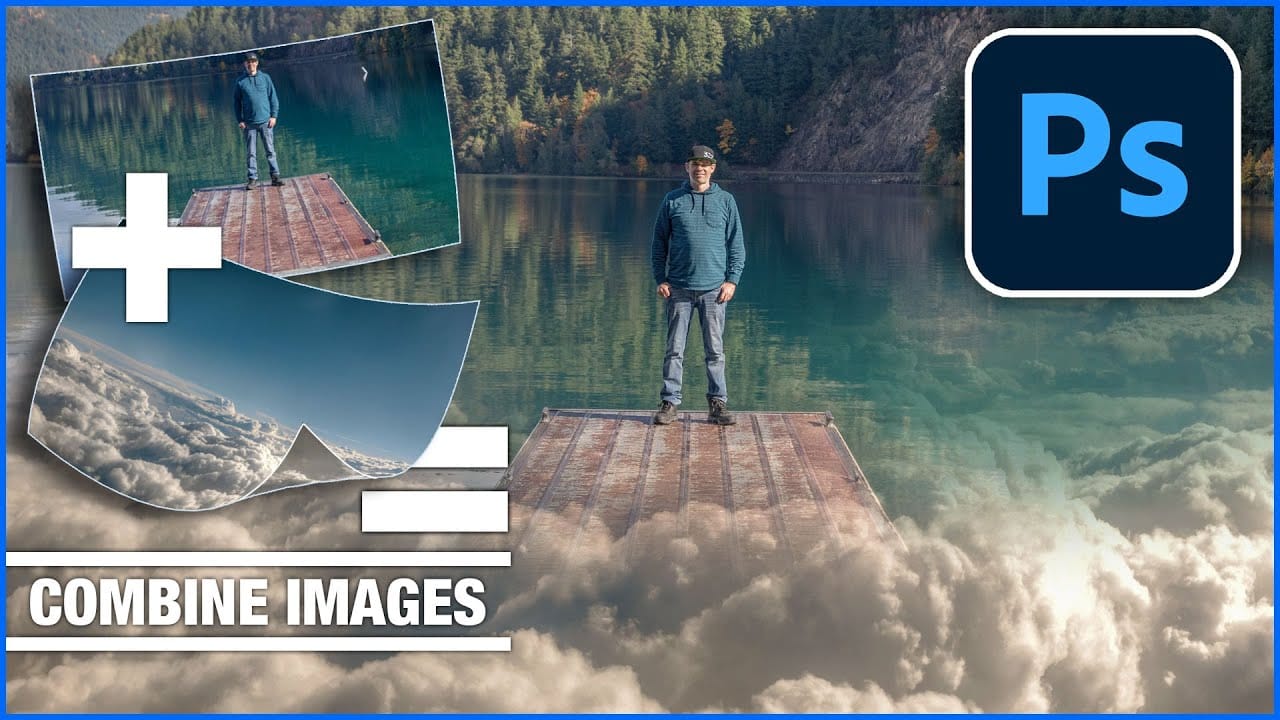
In this tutorial, Colin Smith from Photoshop Cafe demonstrates effective techniques for combining and blending multiple photos in Photoshop. You'll learn two distinct methods for merging images, allowing you to seamlessly integrate different elements into a cohesive composition. Colin also covers four advanced techniques for blending layers together, helping you achieve smooth transitions and harmonious effects. These techniques are essential for creating compelling visuals where multiple image
How to combine and blend photos in Photoshop
In this tutorial by Colin Smith from Photoshop Cafe, you'll explore various methods to seamlessly combine and blend photos in Photoshop. Colin covers the basics of getting photos into Photoshop and demonstrates different techniques for layering and blending images. The tutorial provides practical guidance on how to integrate multiple photos into a cohesive composition. Whether you’re working with selections or blending layers directly, you’ll learn how to achieve smooth transitions and create v
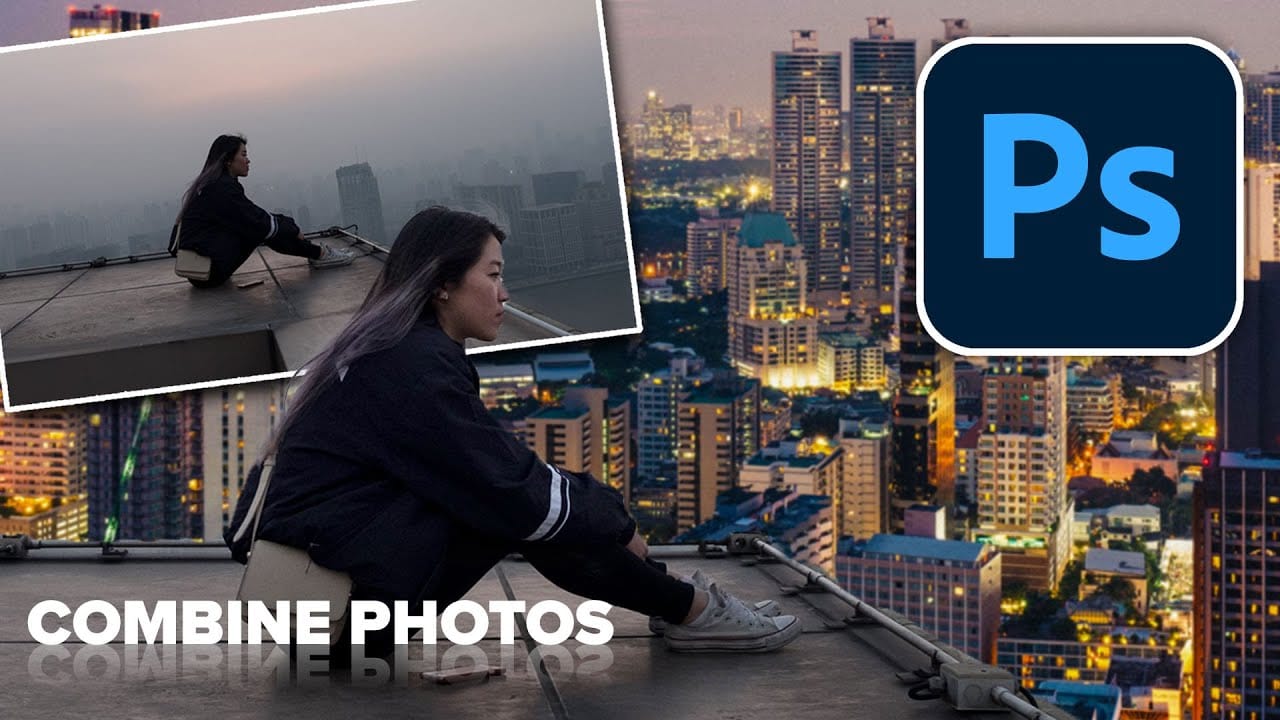
How to combine multiple images in Photoshop instantly
In this detailed tutorial, Colin Smith reveals an efficient method for combining multiple images into a single layered document in Photoshop. This technique is designed to save time and reduce manual effort by allowing you to merge all open tabs into one cohesive file quickly. Colin explains how to leverage this powerful feature to streamline the process of creating complex composites or layered designs. Whether you're working on intricate photo edits or assembling detailed visual projects, this
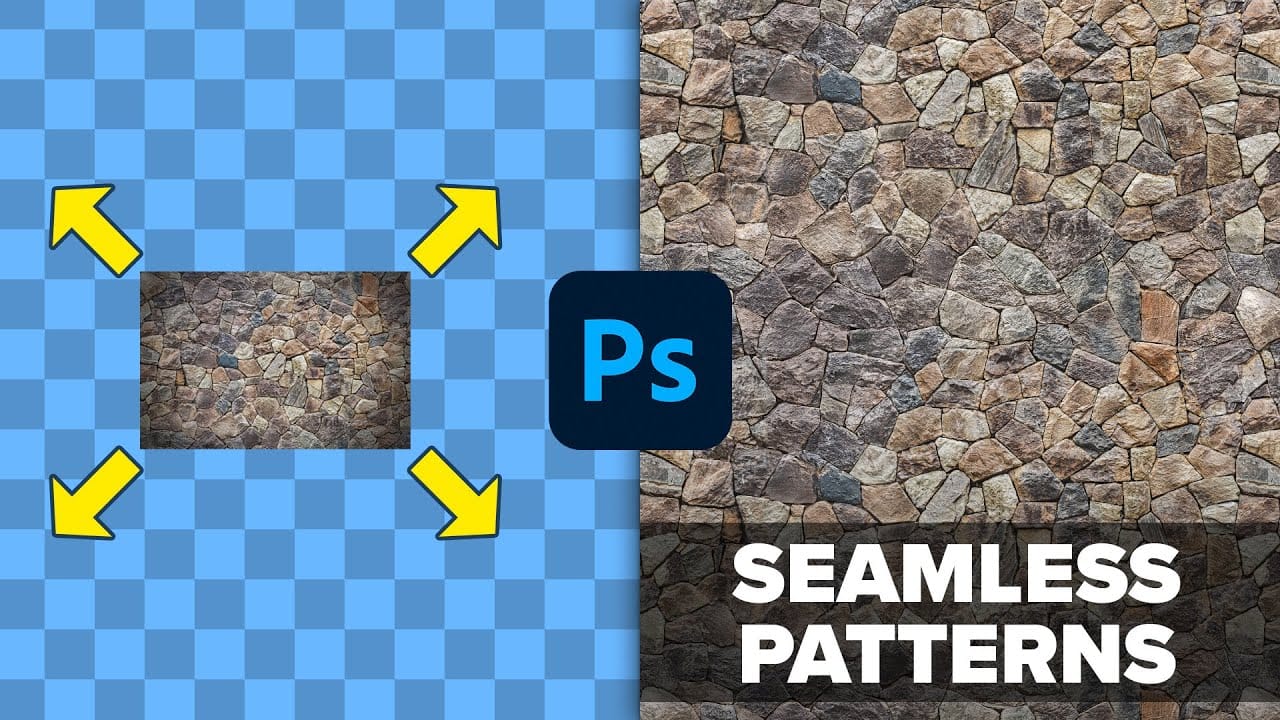
3 Powerful Techniques to Create Seamless Patterns in Photoshop
This tutorial by Jesus Ramirez from the PTC Photoshop Training Channel introduces three effective techniques for creating seamless patterns in Photoshop. If you have ever wanted to transform a simple photo into a beautiful repeating design, this is a great place to start. You will become familiar with essential tools such as Pattern Preview and Generative Fill, which are crucial in this process. These tools will help simplify your workflow and enhance your designs. Additionally, you will discov

Member discussion

Get tutorials & freebies delivered to you.

Subscribe to the Photoshop Roadmap newsletter, a weekly roundup of new tutorials, insights and quality downloads, trusted by 6500+ readers.

You might also like

How to Use AI Masking in Adobe Camera Raw for Professional Photo Editing

Adobe Camera Raw's AI masking tools automatically detect subjects, backgrounds, skies, and landscapes, letting you make precise adjustments to specific areas of your photos. These intelligent masks eliminate the need for manual selection work, while allowing you to combine and refine them for complete creative control. The technique...

How to Remove Objects from Photos Using AI Tools in Photoshop

Photoshop's AI-powered object removal tools can eliminate unwanted distractions from your photos with minimal effort. The Remove Tool and Generative Fill feature automated detection for common distractions like people and wires, plus manual painting options for custom removals. These tools work on separate layers, preserving your original image...

Speed Up Your Color Grading Workflow with Photoshop Actions

Color grading can transform your images, but manually adjusting curves and levels for every photo takes time. Photoshop actions offer a faster approach by applying professional color treatments with a single click. This workflow uses pre-built actions, tints, and LUTs to achieve various moods and styles instantly, letting you layer...

7 Essential Tips for Speed Painting in Digital Art

Speed painting isn't just about working faster—it's about eliminating friction from your creative process. These seven techniques help you get ideas onto canvas quickly without getting bogged down in unnecessary decisions or premature details. Whether you're exploring concepts for professional work or personal...

Professional Color Grading Techniques in Photoshop

Color grading transforms ordinary photos into compelling images with professional mood and atmosphere. These non-destructive techniques let you adjust tones, enhance specific colors, and create cinematic looks while preserving your original image data. Master these four essential color grading methods to develop a consistent editing workflow that elevates your photography....

How to Save Cut-Out Elements with Transparent Backgrounds in Photoshop

Creating seamless photo composites requires properly saving cut-out elements with transparent backgrounds. Whether you're extracting people, objects, or other elements for later use, the file format you choose determines how easily you can place these elements into new scenes. Two main approaches work best: saving as PSD files...

You’ve successfully subscribed to Photoshop Roadmap
Welcome back! You’ve successfully signed in.
Great! You’ve successfully signed up.
Success! Your email is updated.
Your link has expired
Success! Check your email for magic link to sign-in.