
Using Color to Emphasize a Scene With Layers Mask

Using Color to Emphasize a Scene With Layers Mask

In this tutorial I’m going to show you what I do when a scene has too much unwanted color and how to emphasize a part of the scene with just a bit of a color to draw attention. Try to find a picture with bright colors or a subject you really want to stand out.

The first thing we need to do is convert your image to black and white. There are a couple of ways to do this. The easiest way is to simply desaturate your image using the Hue/Saturation adjustment layer. The best way to do it is using the Black & White layers adjustment because you will have much more control of your image contrast. Remember you will find your layers adjustments at the bottom of your Layers Palette.

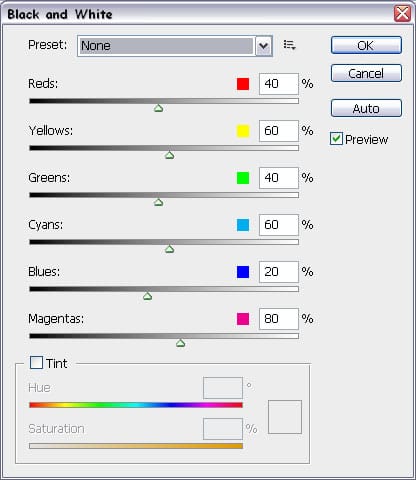
Layers Adjustment
Black and white

Once you have your Black & White window open, you will find you have a lot of control over how that black & white image will look. The most important thing to consider is the contrast. Using the preset at the top of the window you can predefine the settings according to the most common black & white filters. If you want to adjust a specific color, you can use the color sliders below. I usually use the Cyans slider to darken the sky a bit.

Every layers adjustment comes with it´s very own layer mask. We´re going to be using that mask to bring back some color in selected areas we wish to emphasize. When you click on your layers adjustment you´ll notice your Background/Foreground color will automatically be set to black and white. Because your mask is white, we´ll be painting with black.

Black and White

Select your brush tool and right click in the screen to bring up the brush properties. Use a small brush and set the hardness to 50% for a smooth brush stroke. You can set the opacity of the brush by using your numpad. 1 is 10%, 5 is 50%, etc.
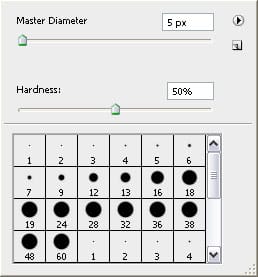
Paint brush

If you accidently paint outside of the subject simply press x on your keyboard. This will switch background color with foreground color. Now that you have the white selected, use it to erase the excess.

Finally, if at any moment you want to check out how your layer mask is going in full view just click on it while holding down ALT. This way you can check if you missed a spot.
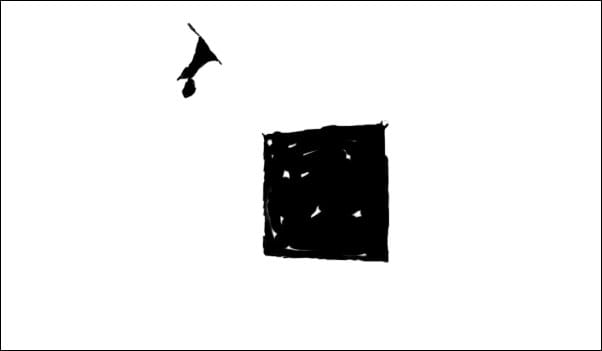
Mask

Using layer masks is a great way to work with specific areas of an image without affecting the rest. Hope you found this tutorial useful and discovered a few new keyboard shortcuts along the way!
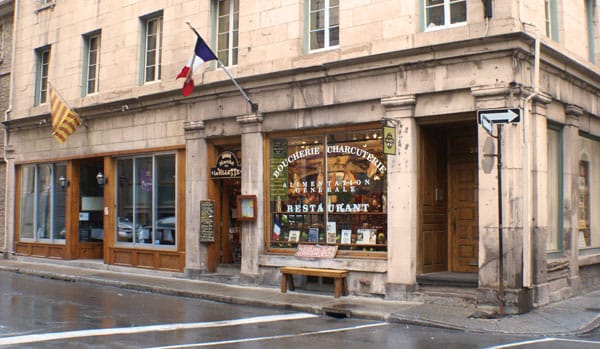
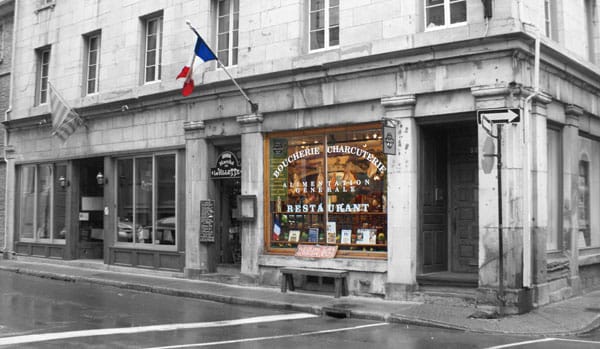
Layer mask tutorial
Layer mask tutorial

Get tutorials & freebies delivered to you.

Subscribe to the Photoshop Roadmap newsletter, a weekly roundup of new tutorials, insights and quality downloads, trusted by 6500+ readers.

You might also like

How to Remove Objects Using Photoshop's Updated Remove Tool Without Credits

Photoshop's updated Remove tool offers powerful AI-powered object removal without consuming any generative credits, regardless of your subscription plan. The tool features automated distraction detection that categorizes different types of visual clutter—from trash and people to urban elements and blemishes—making it easy to selectively remove unwanted...

How to Create Realistic Trees from Digital Stamp Brushes in Photoshop

Tree stamp brushes provide an efficient starting point for digital landscapes, but transforming flat stamps into convincing natural elements requires specific layering and painting techniques. This comprehensive tutorial demonstrates how to build complete environmental scenes by combining background creation, water effects, and detailed tree painting methods that add depth and...

How to Use the New Remove Tool to Automatically Find and Remove Image Distractions

The updated Remove Tool now features AI-powered distraction detection that automatically identifies and categorizes unwanted elements in your photos. This new "Find Distractions" feature can locate cars, poles, fixtures, and visual clutter, then remove everything with a single click. The tutorial also demonstrates how to combine this automated...

Using Foliage Brushes for Photo Enhancement and Digital Art

Transforming ordinary photographs into whimsical, romantic scenes often requires replacing or enhancing natural environments. Foliage brushes offer photographers and digital artists a powerful way to overpaint backgrounds, create dimensional leaf structures, and build entirely new environmental elements that feel both surreal and believable. The key to realistic foliage work lies...

How to Remove Glasses Reflections with Firefly Image Model 5 in Photoshop

Glasses reflections can ruin otherwise perfect portraits, obscuring your subject's eyes and creating distracting bright spots. While traditional AI models can remove these reflections, they often alter facial features and frame details in the process. Photoshop's new Firefly Image Model 5 changes this by preserving facial...

How to Create Realistic Specular Highlights Using Basic Brush Techniques

Specular highlights bring objects to life by simulating how light reflects off surfaces. These bright spots of reflected light add dimension and realism to your digital artwork, making flat surfaces appear three-dimensional and convincing. This technique uses simple brush strokes combined with strategic blending modes to create professional-looking highlights that...

You’ve successfully subscribed to Photoshop Roadmap
Welcome back! You’ve successfully signed in.
Great! You’ve successfully signed up.
Success! Your email is updated.
Your link has expired
Success! Check your email for magic link to sign-in.