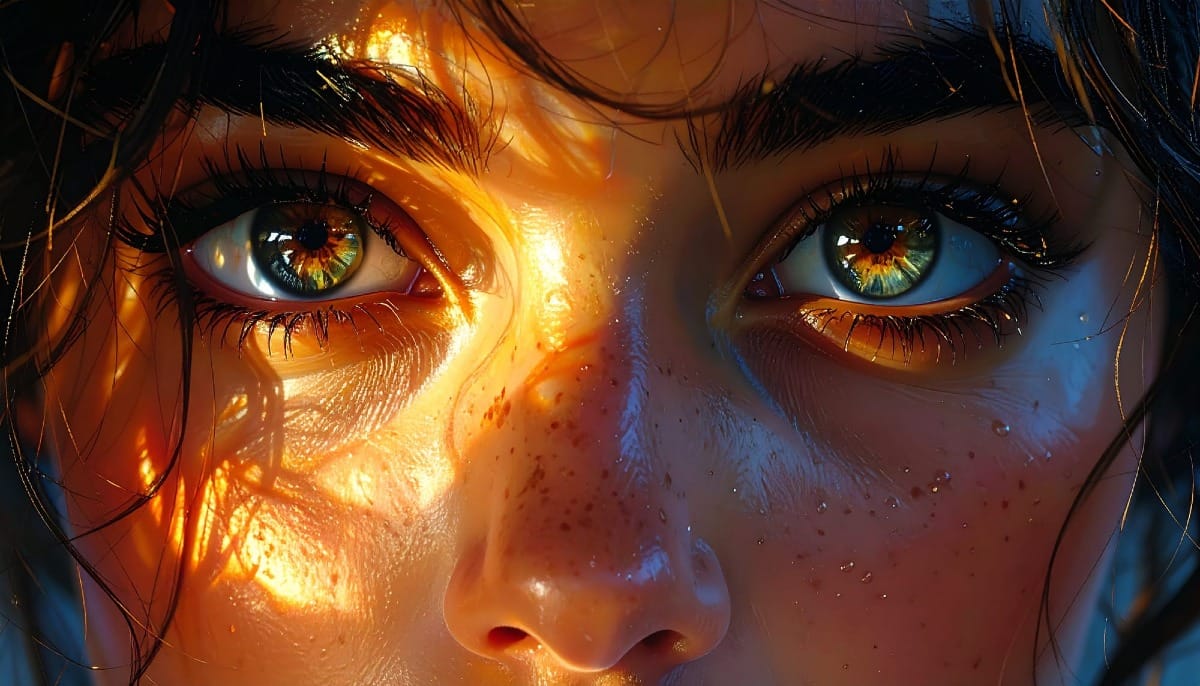
Learn how to easily change eye color in Photoshop

Learn how to easily change eye color in Photoshop

Double exposure effects blend two images into a single artistic composition, creating striking visuals where portraits merge seamlessly with textures like leaves, cityscapes, or abstract patterns. This technique transforms ordinary photos into compelling artwork by layering elements that tell a story or evoke emotion.

The process combines masking, blending modes, and color adjustments to achieve professional results that work well for creative portraits, album covers, or artistic photography projects.

Watch the Video

Video by Retutpro. Any links or downloads mentioned by the creator are available only on YouTube

Practical Tips for Double Exposure Effects

These key techniques will help you create clean, professional double exposure compositions:

  • Use Quick Selection Tool for initial masking — it provides better control than Magic Wand and works faster for selecting portrait subjects
  • Apply masks to the texture layer, not the portrait — drag the portrait mask to your texture layer using Alt to maintain clean edges while keeping the original portrait intact
  • Switch texture layers to Vivid Light blending mode — this creates the signature double exposure look by intensifying the blend between portrait and texture elements
  • Unlink layer and mask before repositioning — this lets you move the texture independently while keeping the mask aligned to your subject
  • Use Blend If sliders for refined contrast — hold Alt while adjusting black sliders in Layer Styles to remove harsh blacks while preserving texture details

Explore more creative Photoshop techniques and artistic effects.
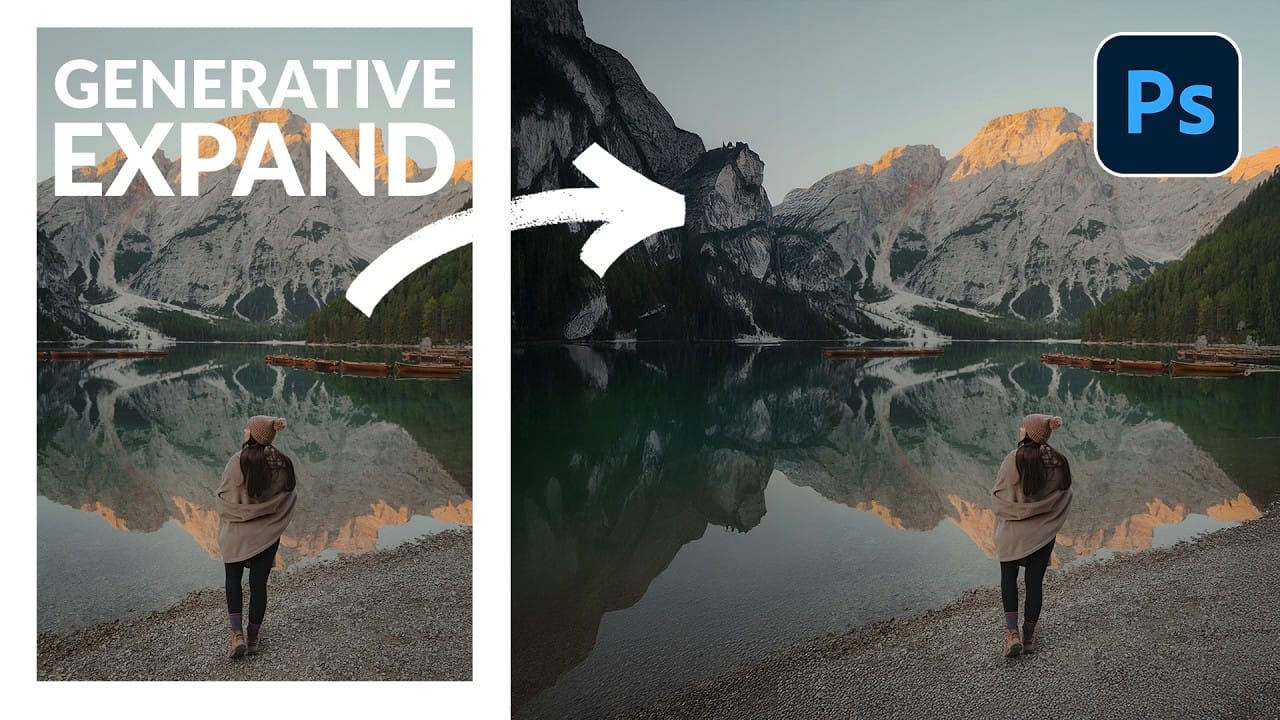
How to Expand Photos Beyond Their Edges Using AI Generative Expand in Photoshop
Sometimes your best photos need more breathing room or a different aspect ratio. Generative Expand in Photoshop lets you extend your canvas beyond the original image boundaries, using AI to intelligently fill in missing areas with content that matches your scene. This technique works for changing portrait photos to landscape orientation, adding more space around subjects, or even changing the camera angle of existing photographs entirely. Watch the Video Practical Tips These key techniques
Artistic Photoshop Actions to Make Photography Fun
Photoshop actions are a simple way to speed up editing and give your photos a consistent look without spending hours on adjustments. From subtle color shifts to bold artistic transforms, actions can help you work faster and keep your style consistent across different projects. They're useful for anyone who wants reliable one-click effects for portraits, landscapes, and creative photography. Why Creative Fabrica? You'll notice that all the actions in this roundup come from Creative Fabrica. T
How to Remove Objects from Photos Using AI Tools in Photoshop
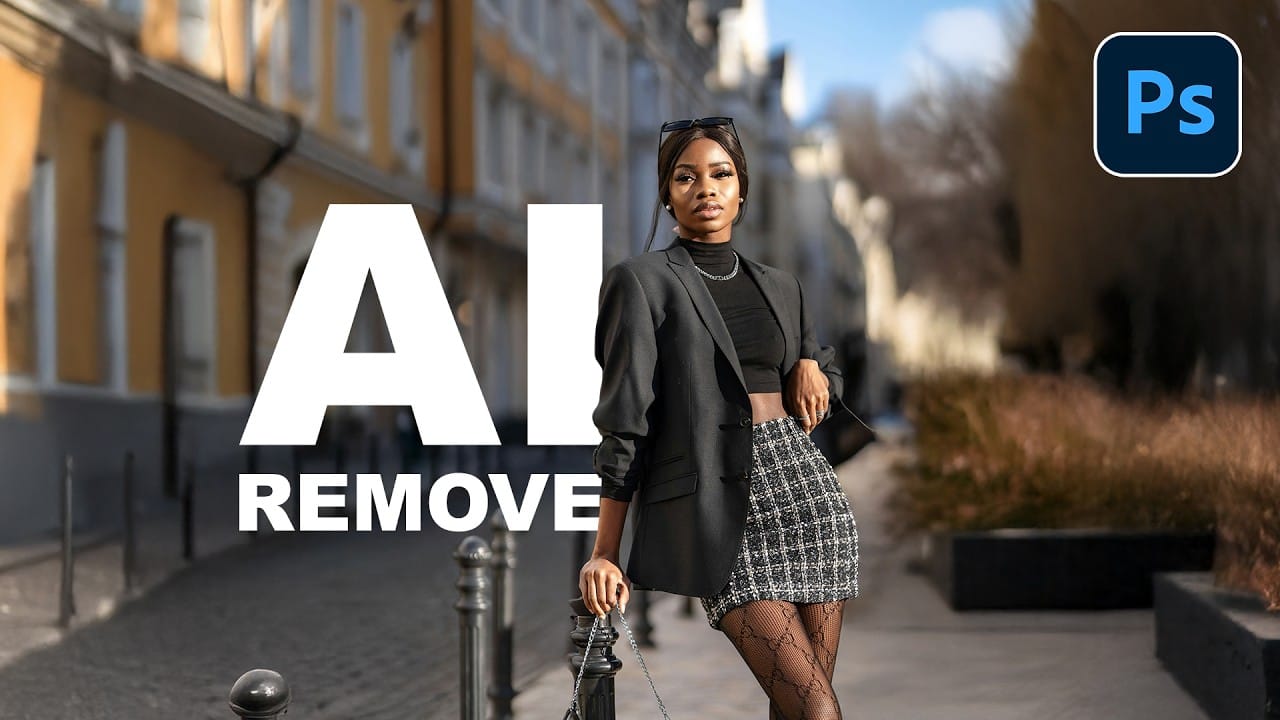
Photoshop's AI-powered object removal tools can eliminate unwanted distractions from your photos with minimal effort. The Remove Tool and Generative Fill feature automated detection for common distractions like people and wires, plus manual painting options for custom removals. These tools work on separate layers, preserving your original image while giving you complete control over what gets removed and how the final result looks. Watch the Video Practical Tips These key techniques will h
Speed Up Your Color Grading Workflow with Photoshop Actions
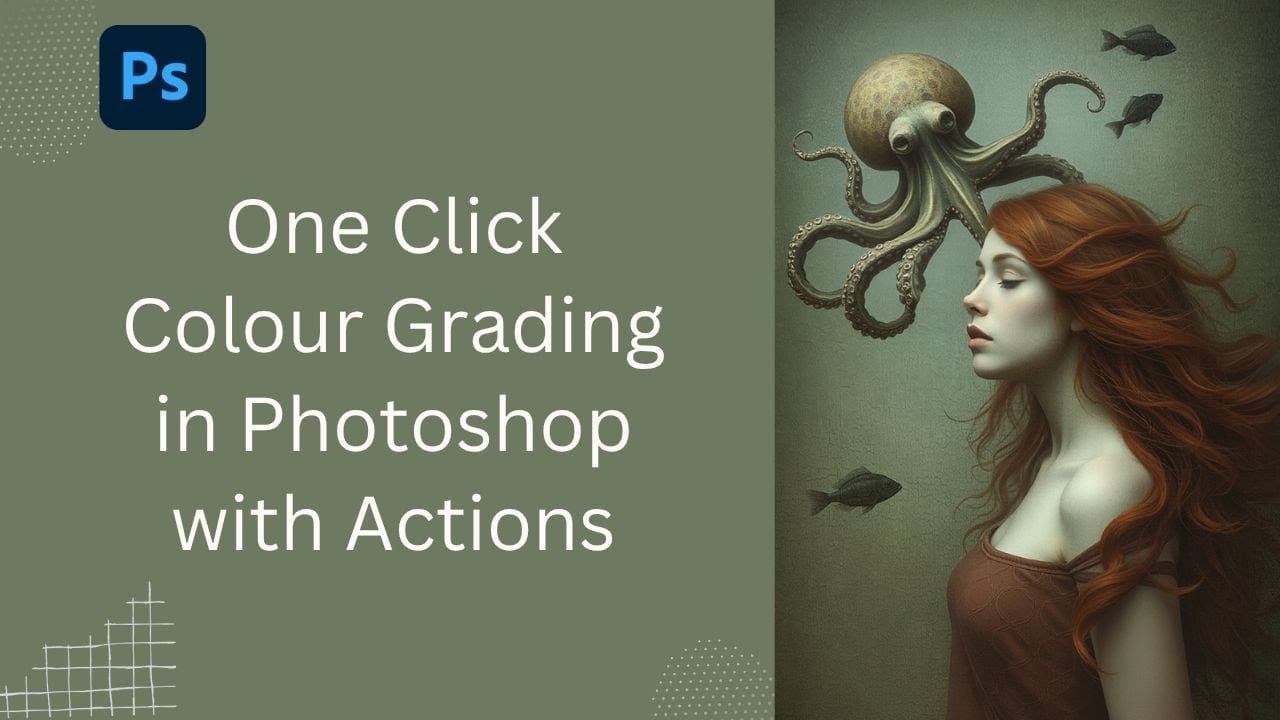
Color grading can transform your images, but manually adjusting curves and levels for every photo takes time. Photoshop actions offer a faster approach by applying professional color treatments with a single click. This workflow uses pre-built actions, tints, and LUTs to achieve various moods and styles instantly, letting you layer multiple effects to build the exact look you want. Watch the Tutorial Practical Tips for One-Click Color Grading * Set your Actions panel to button mode for fa
How to Use Auto Align Layers in Photoshop for Perfect Layer Alignment
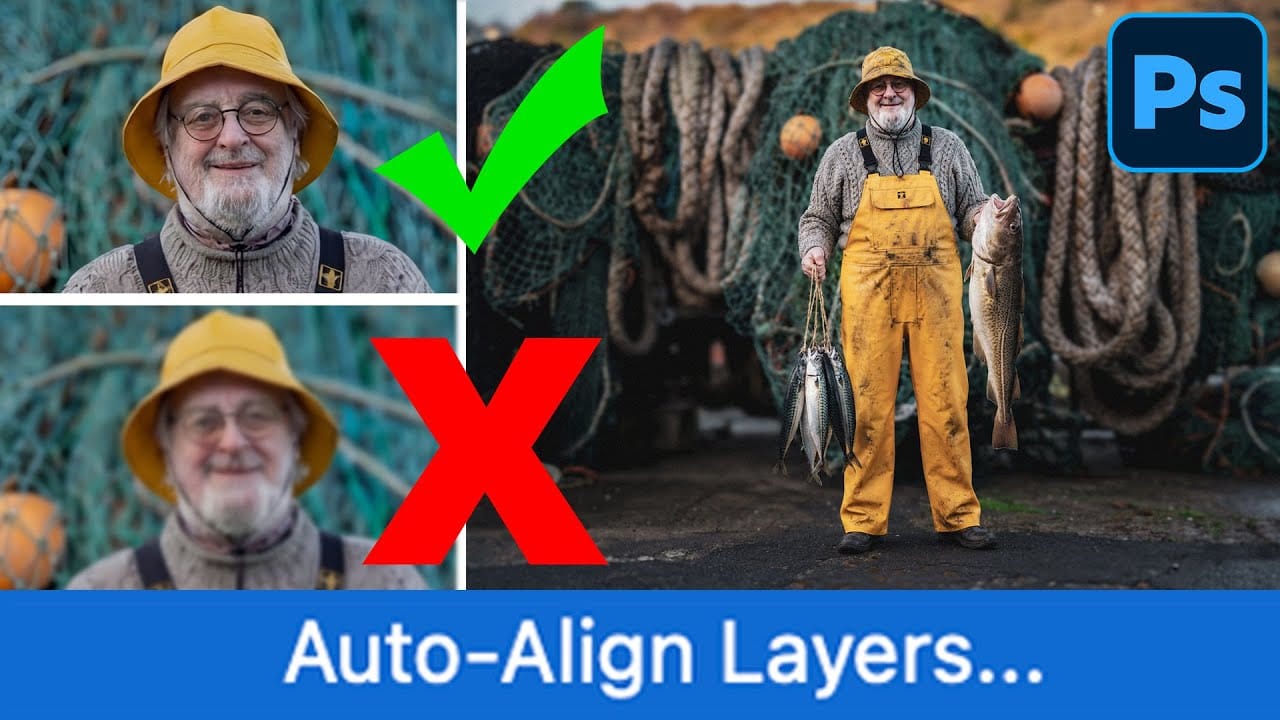
When working with multiple layers that need perfect alignment, manual positioning often falls short. Slight camera movement, different crops, or rotated images can make precise alignment seem impossible through visual adjustment alone. Auto Align Layers automatically handles rotation, scaling, and positioning to create perfect layer alignment, even when images have different dimensions or orientations. Watch the Video Practical Tips These techniques will help you achieve perfect layer alig
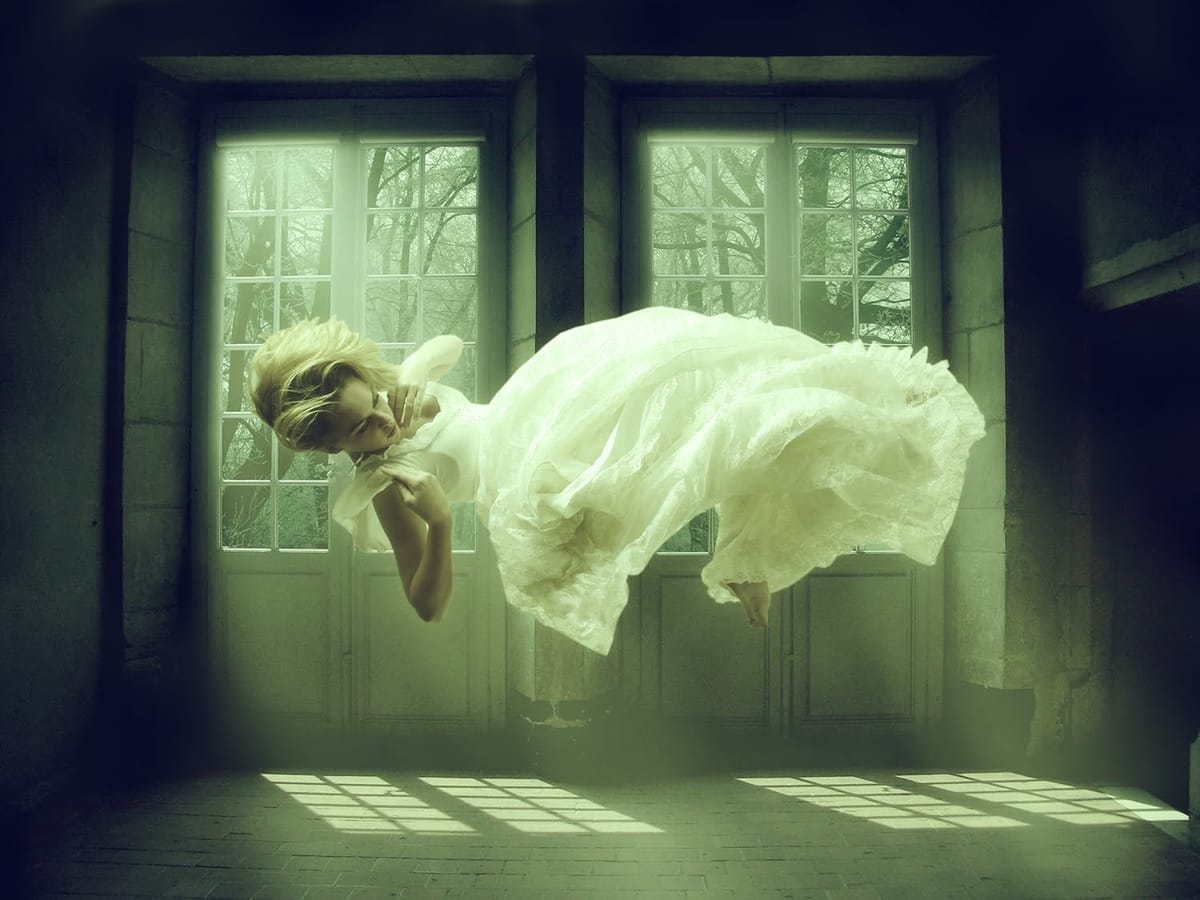
Create a Levitation Effect in Photoshop
In this tutorial you will learn how to create simply levitation effect manipulation with a dreamy effect in Adobe Photoshop. Download the model image and the room image. Video tutorial More

Get tutorials & freebies delivered to you.

Subscribe to the Photoshop Roadmap newsletter, a weekly roundup of new tutorials, insights and quality downloads, trusted by 6500+ readers.

You might also like

How to Use the New Color, Clarity, Dehaze, and Grain Adjustment Layers in Photoshop

Three powerful new adjustment layers bring Camera Raw's most popular tools directly into your layers panel. Color and Vibrance, Clarity and Dehaze, and Grain adjustments now work as standard adjustment layers with full masking capabilities and non-destructive editing. These tools eliminate the need for smart objects when applying...

How to Apply Patterns and Tattoos to Skin in Photoshop

Creating realistic skin patterns and tattoos requires more than simply overlaying images onto photographs. The key lies in using proper blending techniques and layer settings to make decorative elements appear naturally integrated with skin texture. This technique works for everything from Japanese kintsugi-inspired cracks to floral tattoo designs, transforming flat...

How to Transform Photos into Digital Paintings Using Photoshop Brushes

Busy backgrounds and photographic detail can overwhelm your artistic vision. This technique shows how to prepare photos for digital painting by strategically overpainting backgrounds and replacing photographic elements with painterly textures. The approach combines subject isolation, textured brush work, and color sampling to create a foundation that bridges photography and...

How to Use Textures for Color Grading in Photoshop

Textures offer a powerful way to color grade images beyond traditional adjustment layers. By layering colored textures with specific blend modes, you can create unique tonal shifts, add visual depth, and achieve artistic looks that standard color correction can't match. This technique works by using the color information...

Complete Guide to Digital Photo Compositing in Photoshop

Creating fantasy digital artwork requires mastering the art of photo compositing, where multiple elements come together to form a cohesive scene. This comprehensive tutorial demonstrates how to build a dramatic composition featuring a wolf and human figure in a mystical nighttime setting. The process covers every aspect of professional compositing,...

Understanding Blend Modes, Curves, Channels, and Fill vs Opacity in Photoshop

Most users cycle through blend modes randomly or avoid the curves panel entirely, missing out on precise control over their edits. These fundamental tools become intuitive once you understand the logic behind their organization and function. This tutorial breaks down four essential concepts that separate casual users from confident editors:...

You’ve successfully subscribed to Photoshop Roadmap
Welcome back! You’ve successfully signed in.
Great! You’ve successfully signed up.
Success! Your email is updated.
Your link has expired
Success! Check your email for magic link to sign-in.